







ADIEU, MONSIEUR COURBET!
Due to high visitor interest the Leopold Museum will be
open daily from 10 am until 9 pm from 18-21 June.
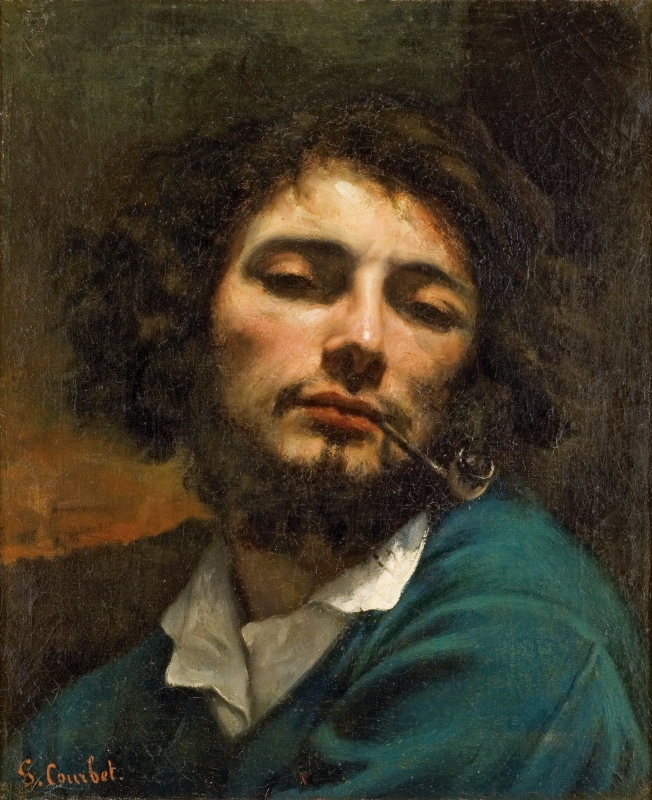
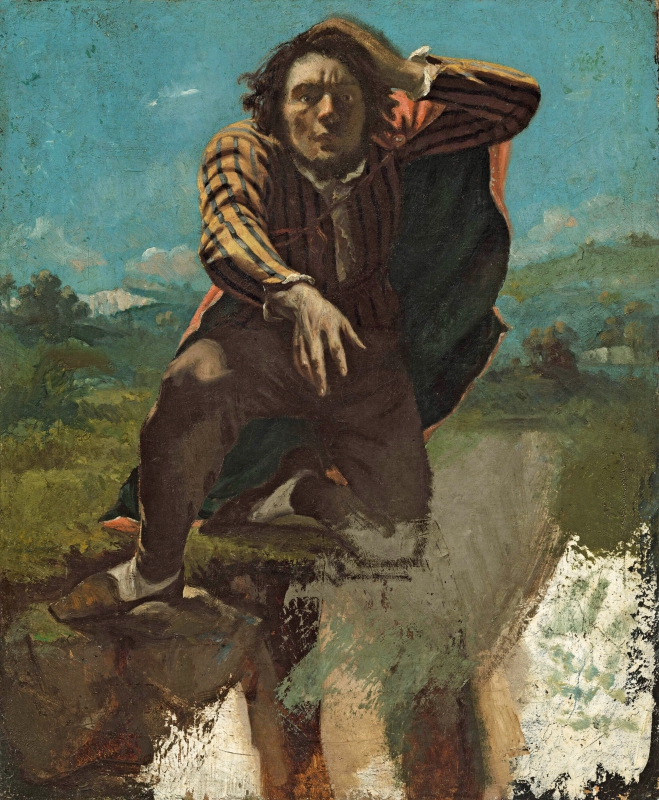
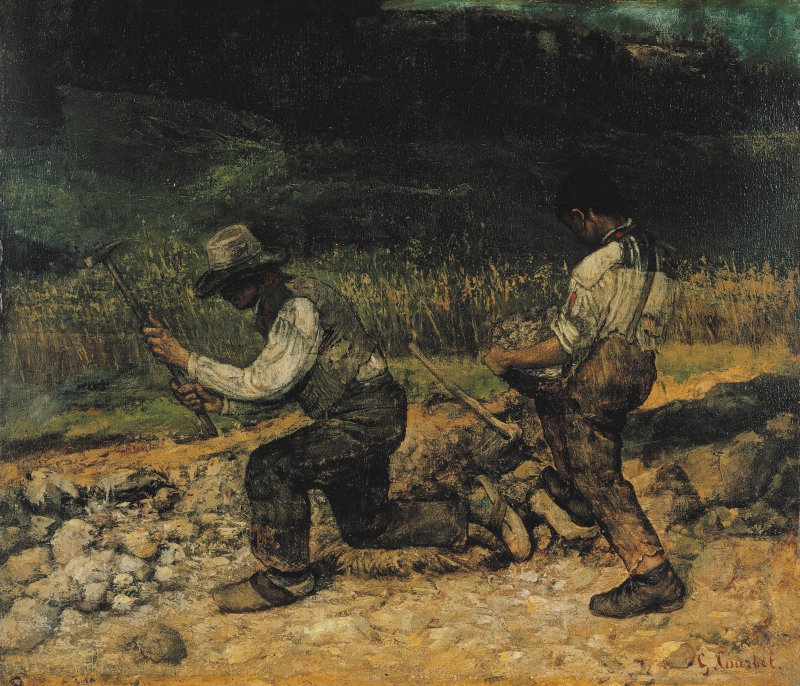
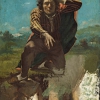
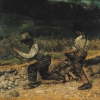
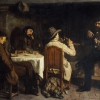
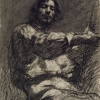
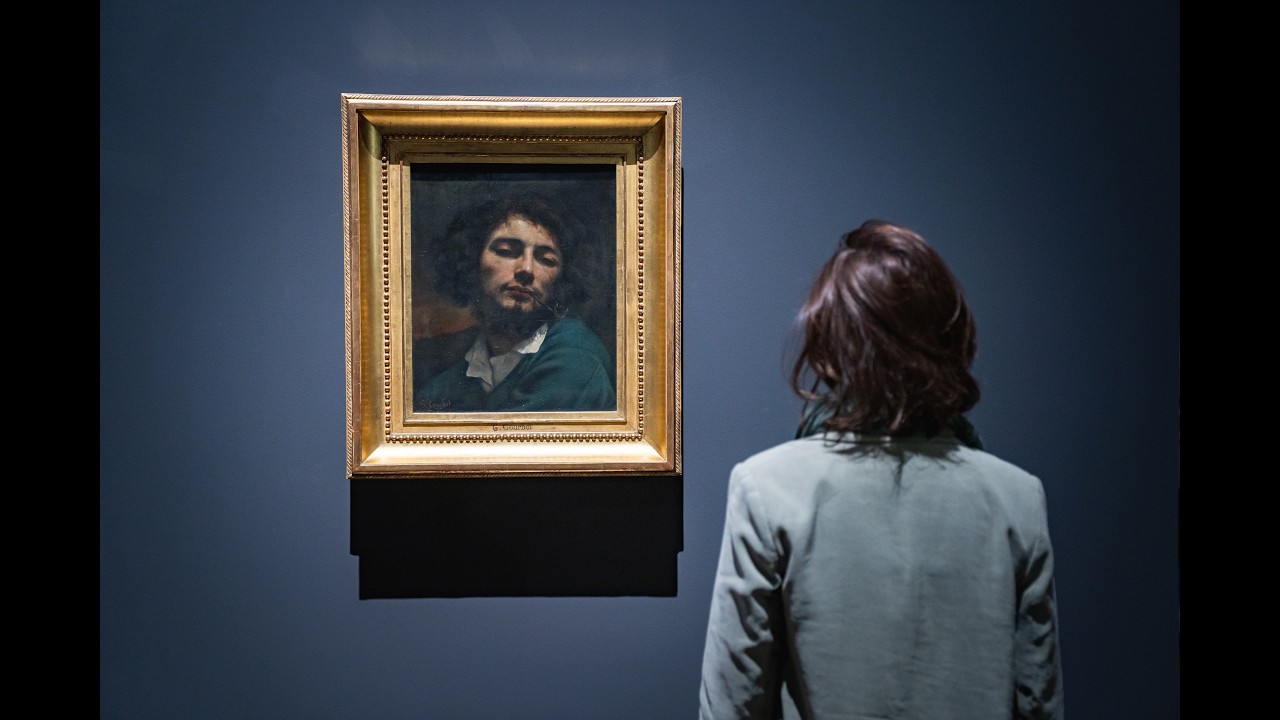
Gustave Courbet is considered the most eminent exponent of realism, who boldly defied the idealizing conventions of 19th-century art. A spearhead of a socially committed type of painting, the artist also became known for his political involvement following the demise of the French Empire in 1870 through his role in the 1871 Paris Commune. In his portraits, landscapes and still lifes, the “dreamer” Courbet showed a quiet, contemplative world which appears in contrast to the rapid political and industrial changes of his time. With his self-confident demeanor, the importance he placed on artistic autonomy, his penchant for provocation and his revolutionary style of painting, he became a rebel of the art scene.
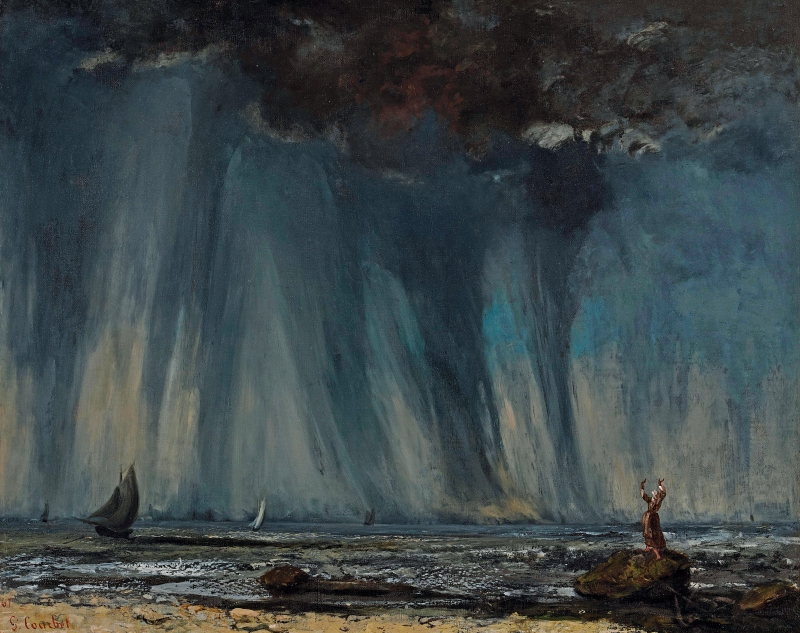
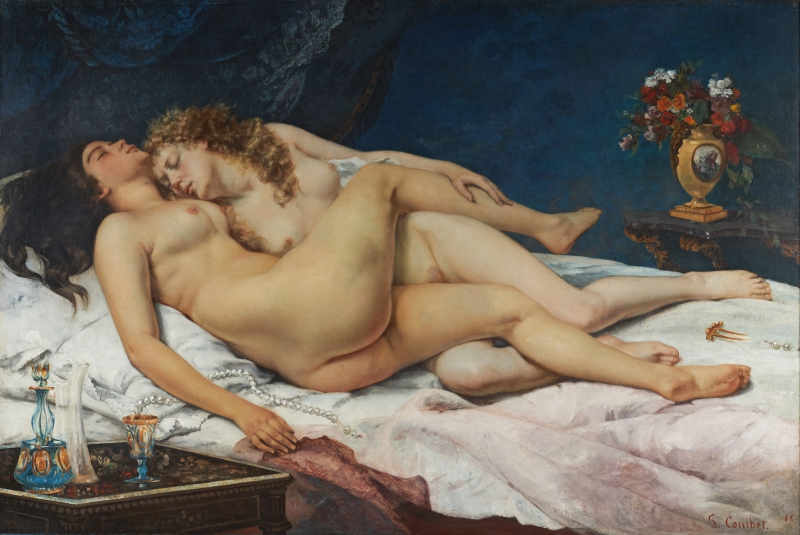
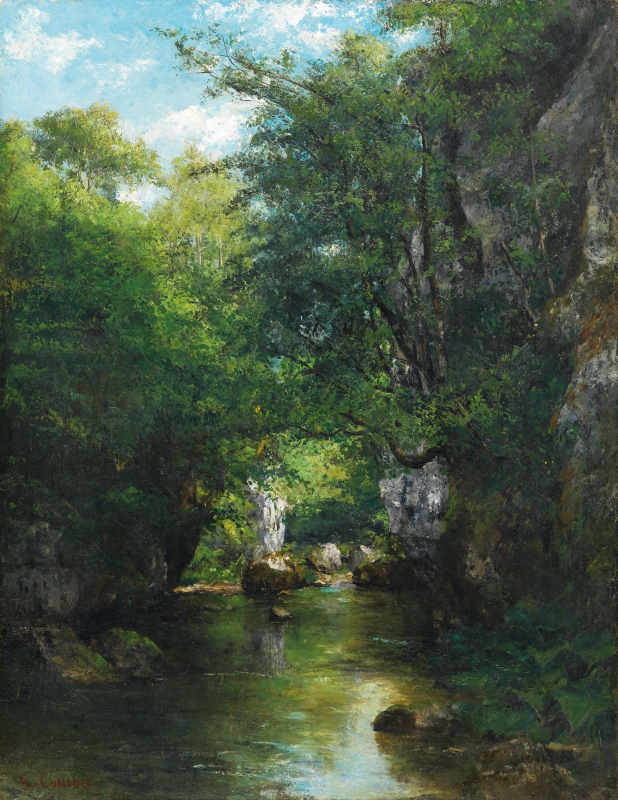
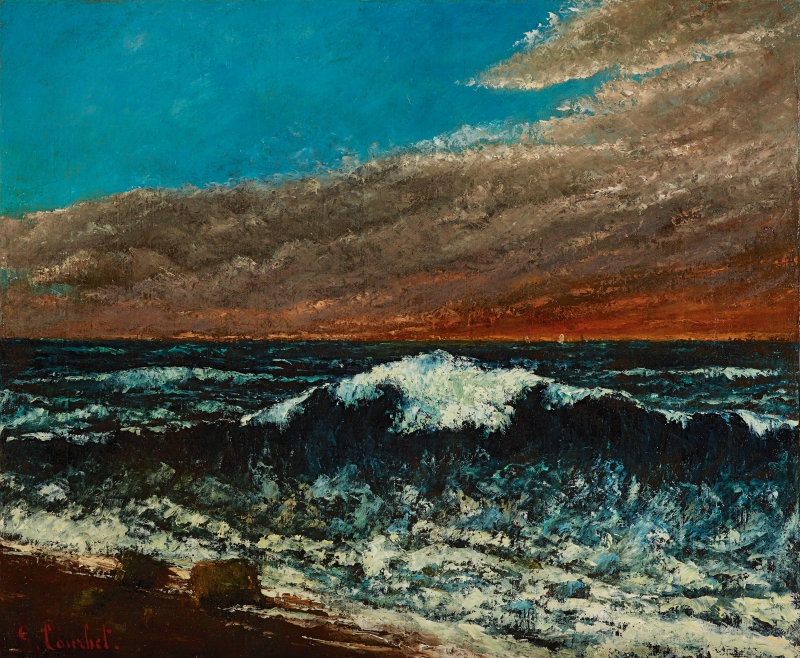
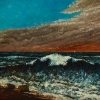
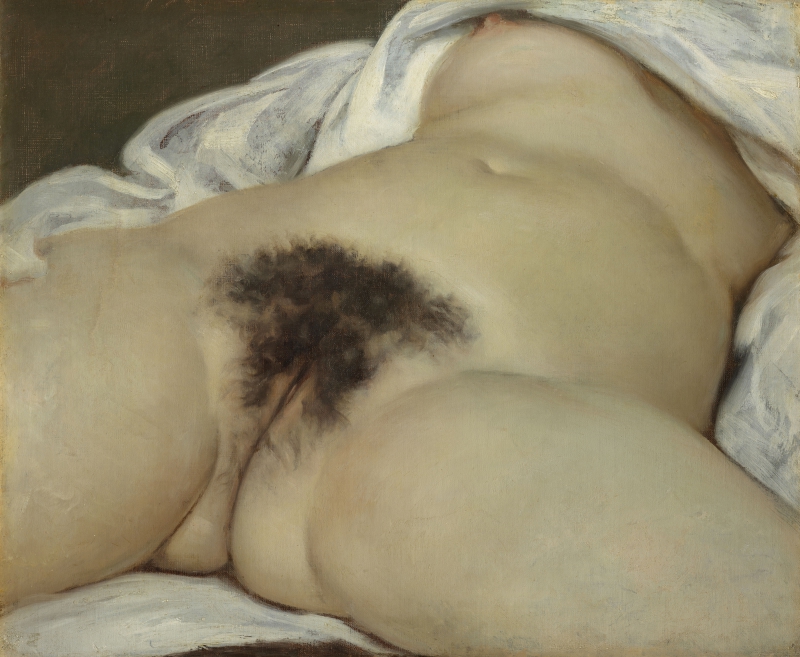
The large-scale retrospective at the Leopold Museum is the first solo exhibition dedicated to Courbet in Austria, featuring works from all periods of the artist’s oeuvre, and affording a comprehensive overview of his painterly and graphic work. The presentation starts with Courbet’s early, iconic self-portraits, and continues via his revolutionary paintings on themes like social realism and artistic bohemianism all the way to his sensually charged female nudes. Further emphases include his landscapes, depicting the region surrounding his native Ornans, powerful seascapes, as well as renderings from his time in Swiss exile.
TICKETS
DIGITAL EXHIBITION
This exhibition was created in cooperation with the

Media partner of the exhibition:
  |
Project sponsor of the exhibition:

With the kind support of the Embassy of Switzerland in Austria:
Share and follow