




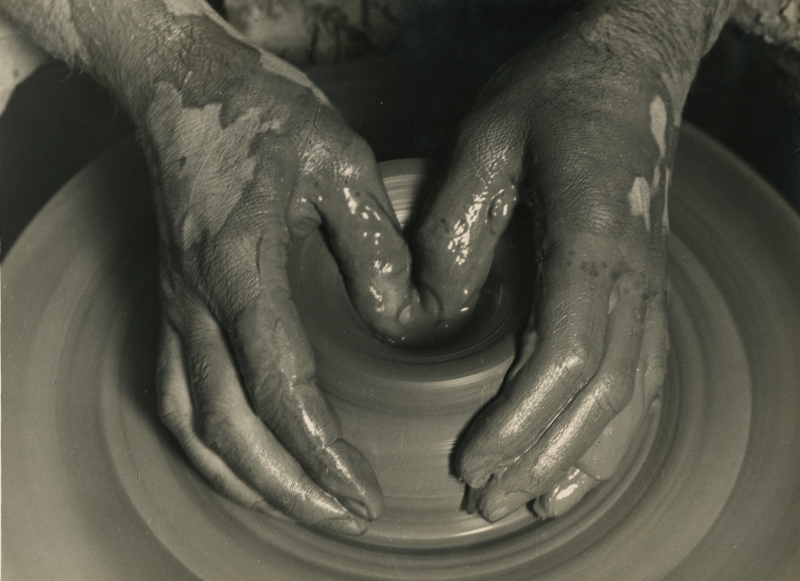
Sober, clear, objective – these adjectives describe the new way of seeing the world following the fallout of World War I. The type of “art photography”, practiced until 1914 especially by ambitious amateurs, with its romanticizing estheticism, had become obsolete. This new movement provided a direct, unadorned pictorial style, which accommodated the needs of the medium and represented a clear commitment to technological Modernism. In Germany, Ellen Auerbach, Aenne Biermann, Karl Blossfeldt, Alfred Ehrhardt, Albert Renger-Patzsch and August Sander adhered to a “new objective photography” which culminated in the 1929 exhibition Film und Foto organized by the German Werkbund. Championing a visual language in keeping with the times, the exhibition, which was shown in Vienna straight after its initial presentation in Stuttgart, impacted on the oeuvres of Austrian photographers, including Trude Fleischmann, Grete Kolliner and Rudolf Koppitz.
Following central motifs and themes, the exhibition showcases in excess of one hundred preeminent artistic positions of New Photography from the 1920s and 30s and features a selection of works from renowned European museums, institutions and collections, as well as works from private collections that have never been displayed before.
Share and follow