JOSEF GASSLER, Porträt der Halina Wittlin-Moser (Detail), um 1928 © Oesterreichische Nationalbank/Kunstsammlung | Foto: OeNB/Graphisches Atelier Neumann
24.04.2026-11.10.2026
PREMIERE!
The Oesterreichische Nationalbank Collection
The Oesterreichische Nationalbank (OeNB), Austria’s Central Bank, is primarily known for cooperating within the Eurosystem to help maintain price and financial stability, and to ensure efficient cash and noncash payments. That the OeNB began to compile a comprehensive art collection in the 1890s is less commonly known.
Since the late 1980s, the OeNB’s collecting activities have concentrated on Austrian painting and sculpture from 1918 to the present. A special focus is on Austrian art of the interwar period – on New Objectivity and post-Expressionism – as well as on geometrical and gestural abstraction after 1945. Thus, the collection offers a representative cross-section of the central tendencies in Austrian art, while fulfilling the OeNB’s aspiration to promote Austria’s artistic development in a sustainable manner.
In 1994, the OeNB provided essential support for the establishment of the Leopold Museum-Privatstiftung, and thus contributed significantly to the museum’s success story. The exhibition honors the close ties between the two institutions and renders the OeNB’s commitment to art and culture visible.
Curators: Chiara Galbusera, Hans-Peter Wipplinger
Curatorial Assistant: Barbara Halbmayr
TICKETS
The exhibition was created in cooperation with
NEW OBJECTIVITY IN AUSTRIA
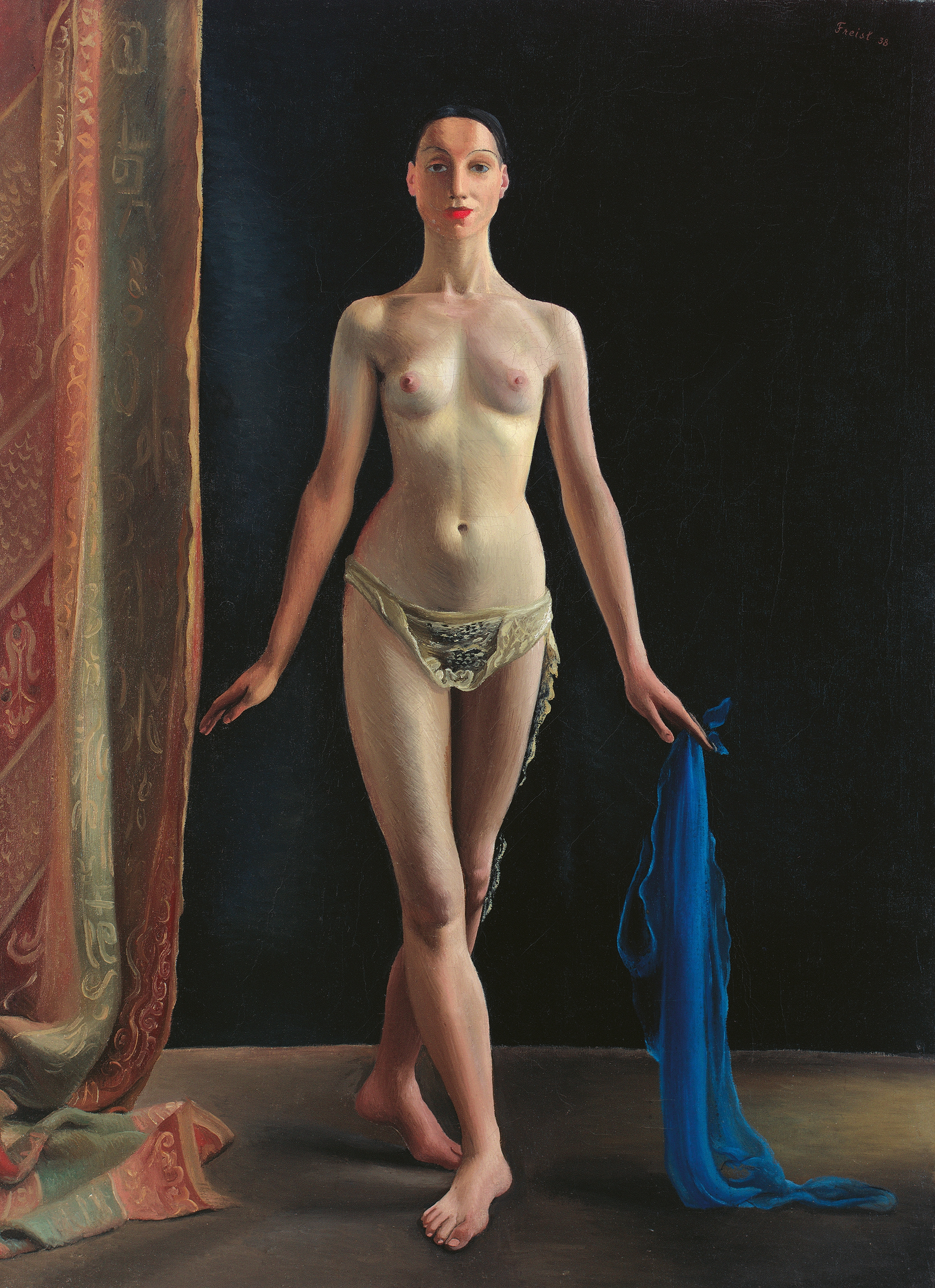
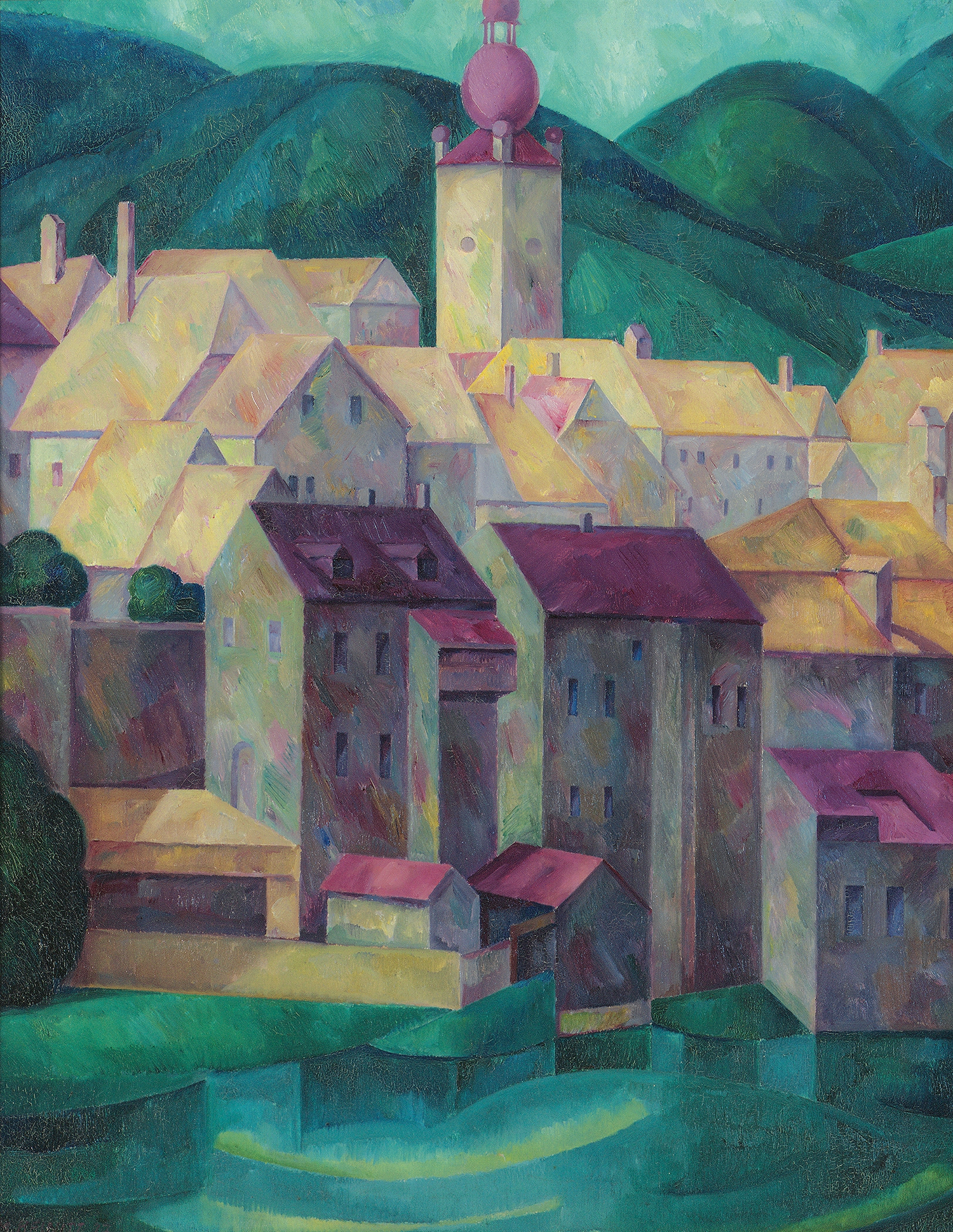
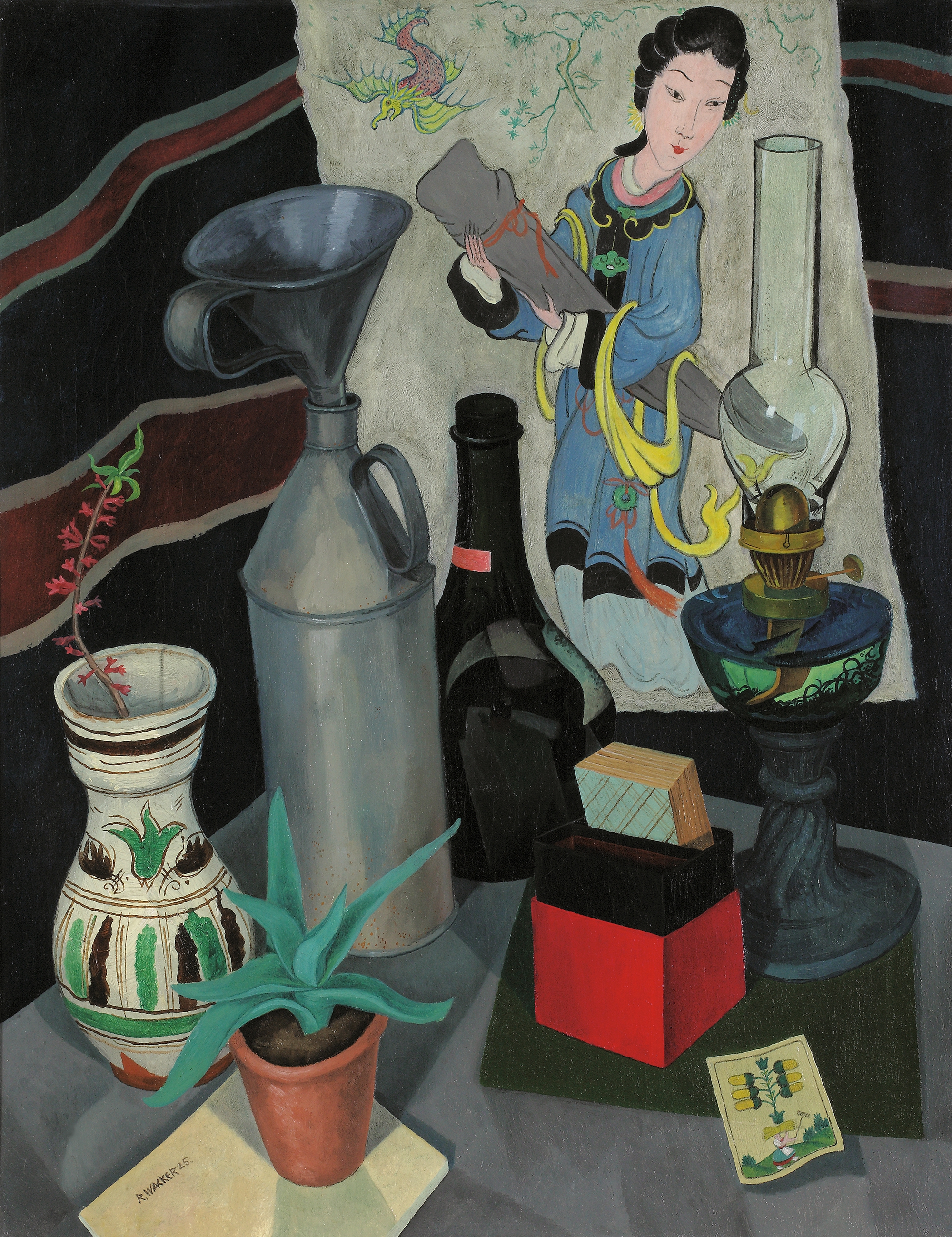
The exponents of New Objectivity made their sober, poignant and unsentimental view of everyday and ostensibly banal occurrences the theme of their depictions. Many artists, influenced by the horrors of World War I and its fallout, sought stability in familiar motifs, such as landscapes, portraits and still lifes. Executed in the technique of the Old Masters, their works express the longing for clarity, stability and order. People and objects were staged with sober detachment; landscapes and cityscapes often appear deserted. Plants – especially potted plants, preferably cacti, or cut flowers – are recurring motifs symbolizing the resilience of nature amidst adverse conditions.
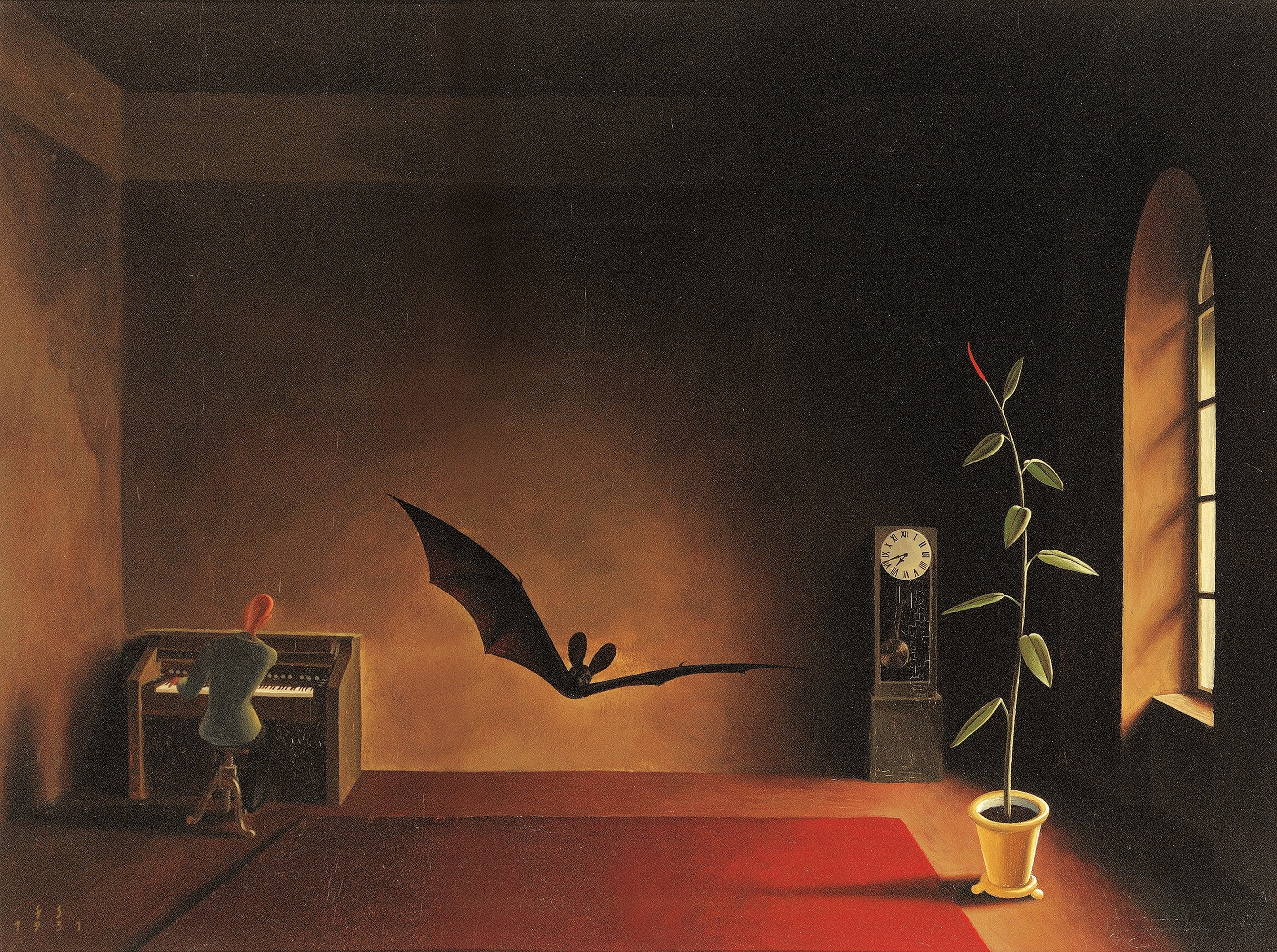 FRANZ SEDLACEK, Lied in der Dämmerung, 1931 © Oesterreichische Nationalbank/Kunstsammlung | Foto: OeNB/Graphisches Atelier Neumann
As a representative of Magical Realism, Sedlacek is often dubbed a “mystic of New Objectivity”. Working as a chemical scientist, the self-taught artist devoted his evenings to experimenting with painting, creating uncanny depictions. The effect of spatial depth, similar to that of a peep box, offers viewers the opportunity to delve into another world and to witness a surreal scene: Coziness gives way to trepidation, the apparently familiar becomes absurd.
ABSTRACTION
Abstraction has been one of the most influential movements in Austrian art since the end of World War II. In the context of the historical situation, abstraction represented a deliberate rejection of realism and representational depictions, which had been the preferred means of expression of totalitarian ideologies, especially of National Socialism.
An important impetus emanates from the art movement of Art Informel, which means “without form.” Art Informel carried on from the abstract form language of the historical avant-gardes, and from the automatism of Surrealism. The aim was to overcome the representational as well as prevailing rules of composition. The paint was liberally applied in dabs or using rapid, gestural motions, the resulting structures representing direct traces of the artists’ physical movements. This shone the spotlight not only on the artistic process but also on the body as a central means of expression – an important step on the path towards performance art.
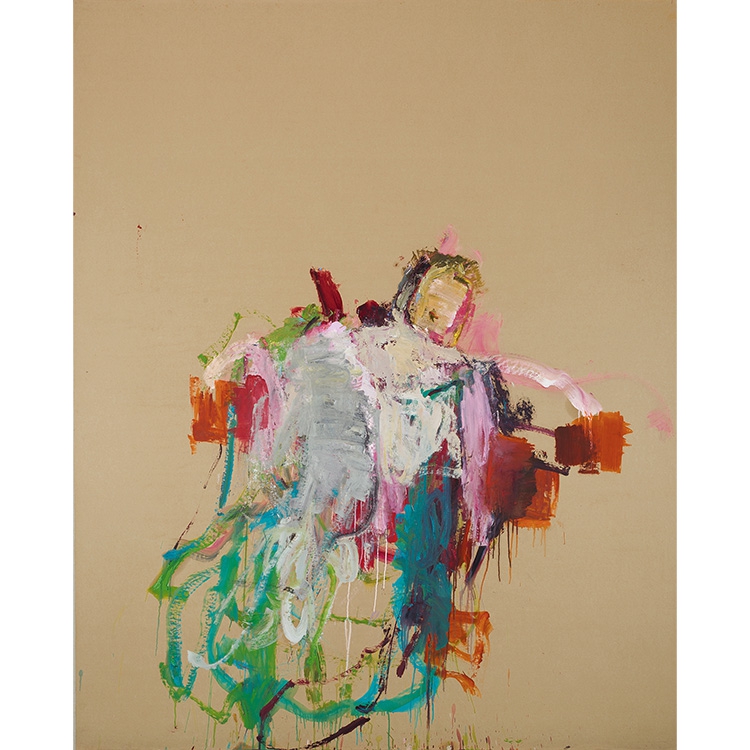
GESTURAL ABSTRACTION AND NEW FIGURATION
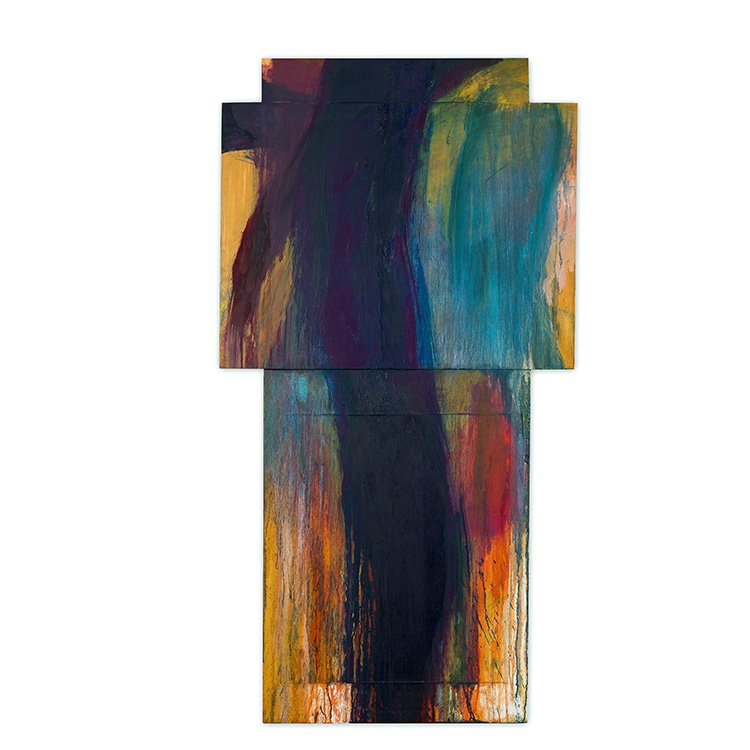
Many of the young Austrian painters in the 1980s, such as Herbert Brandl, Gunter Damisch, Erwin Bohatsch and Hubert Scheibl, practiced a type of art defined as Neue Wilde or Wild Style. Significant characteristics of the Neue Wilde movement included intense colors, expressive-abstracting forms as well as representational motifs that were often shaped by wild, dynamic gestures reflecting the artists’ individual mental states and energies. By the late 1980s, the various protagonists developed their own autonomous styles, ranging from gestural-abstract approaches, via lyrical-informal formulations, to all but monochrome color field painting.
While Herbert Brandl chose abstraction as his form language, nature always remained tangible in his work. In the 1980s, the artist became famous as one of the artists known as Neue Wilde and was appreciated for his expressive, direct and powerful style of painting. The present work is part of a series Brandl dedicated to the Styrian river Salza in an effort to raise awareness for the threat posed by pollution to the river’s eco system. The artist’s swift, intuitive brushstrokes are particularly apt to capture the energy and fragmentation of the water – especially in the depiction of the roaring waterfall – in an atmospheric manner.
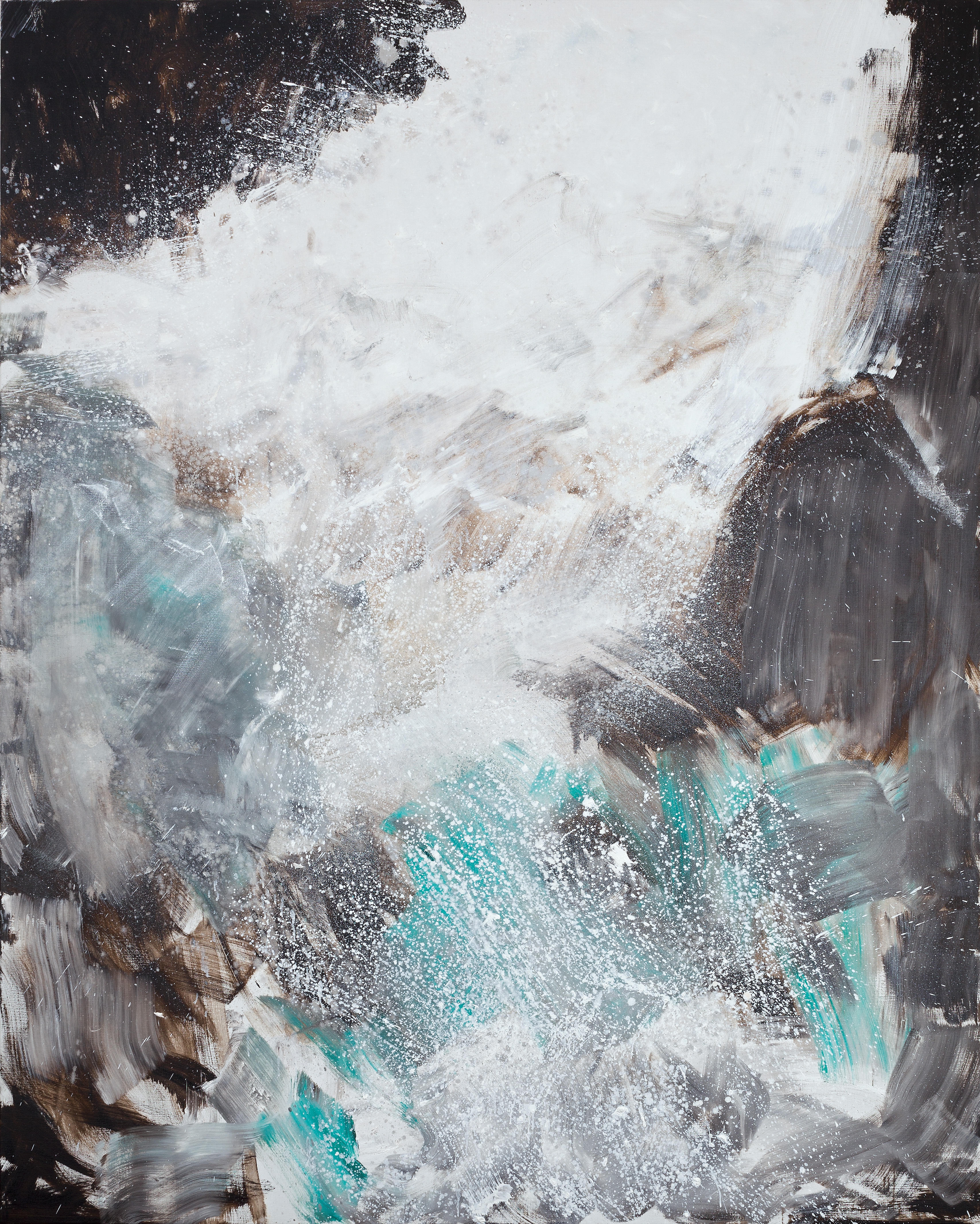 HERBERT BRANDL, Ohne Titel, 2019 © Oesterreichische Nationalbank/Kunstsammlung | Foto: OeNB/Christoph Fuchs © Bildrecht, Wien 2026
GEOMETRICAL ABSTRACTION
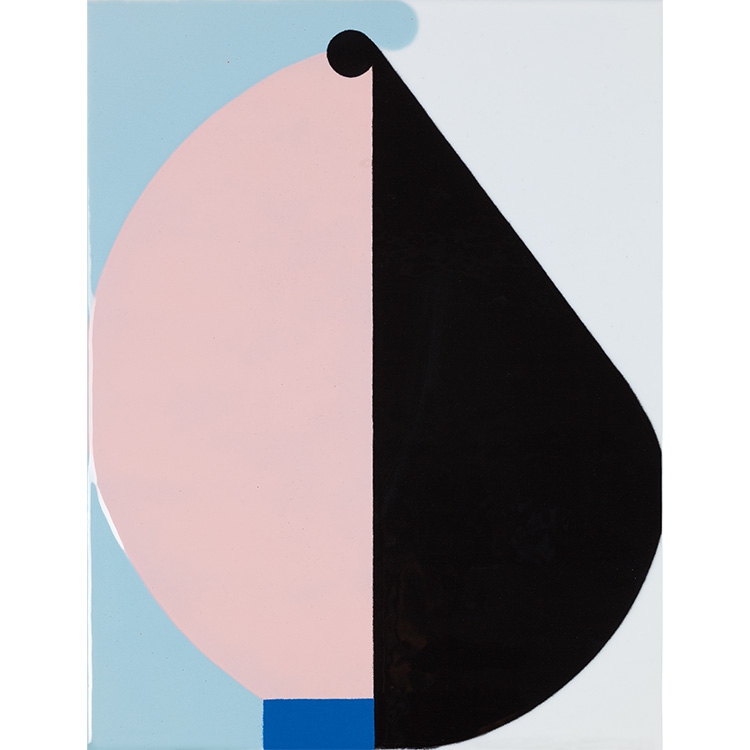
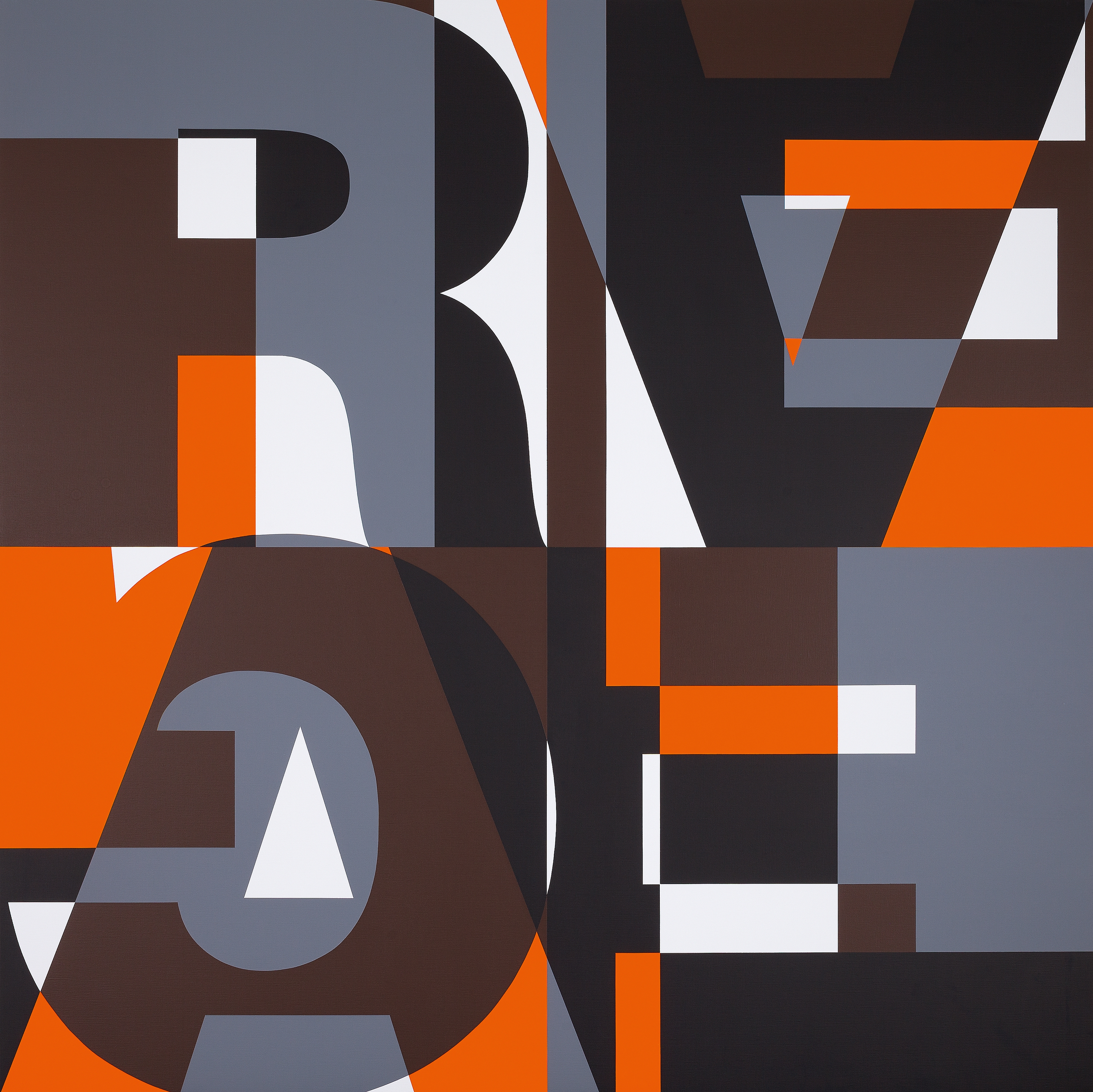
In Austria, too, there are artists who since the 1960s have availed themselves of geometry as a strategic approach in order to address questions pertaining to space, rhythm, authorship, materiality and time. The OeNB’s collection offers a cross-section of these positions over several generations: from Roland Goeschl via Gerwald Rockenschaub and Franz Graf all the way to Heimo Zobernig, Svenja Deininger and Esther Stocker. When looking at the exhibited works, it becomes apparent how broad the concept of abstraction and geometry actually is, and how highly different theoretical approaches may yield similar shapes.
Artists
Robin Christian ANDERSEN | Joannis AVRAMIDIS | Markus BACHER | Werner BERG | Albert BIRKLE | Erwin BOHATSCH | Herbert BRANDL | Ernst CARAMELLE | Gunter DAMISCH | Svenja DEININGER | Albin EGGER-LIENZ | Lisl ENGELS | Anton FAISTAUER | Werner FEIERSINGER | Greta FREIST | Josef GASSLER | Roland GOESCHL | Franz GRABMAYR | Franz GRAF | Albert Paris GÜTERSLOH | Felix Albrecht HARTA | Julia HAUGENEDER | Karl HAUK | Carry HAUSER | Herbert HINTEREGGER | Oskar HÖFINGER | Wolfgang HOLLEGHA | Ludwig Heinrich JUNGNICKEL | Martha JUNGWIRTH | Birgit JÜRGENSSEN | Franco KAPPL | Soli | KIANI | Michael KIENZER | Erika Giovanna KLIEN | Robert KLOSS | Oskar KOKOSCHKA | Anton KOLIG | Peter KRAWAGNA | Suse KRAWAGNA | Oskar LASKE | Maria LASSNIG | Jürgen MESSENSEE | Josef MIKL | Carl MOLL | Ulrike MÜLLER | Zoran MUŠIČ | Oswald OBERHUBER | Max OPPENHEIMER | Josef PILLHOFER | Tobias PILS | Viktor PLANCKH | Herbert PLOBERGER | Rudolf POLANSZKY | Markus PRACHENSKY | Arnulf | RAINER | Maximilian REINITZ | Herbert REYL-HANISCH | Alois RIEDL | Gerwald ROCKENSCHAUB | Hubert SCHEIBL | Alfons SCHILLING | Florian SCHMIDT | Franz SEDLACEK | Esther STOCKER | Andreas URTEIL | Walter VOPAVA | Rudolf WACKER | Manfred WAKOLBINGER | Alfons WALDE | Max WEILER | Franz WEST | Alfred WICKENBURG | Franz WINDHAGER | Fritz WOTRUBA | Erwin WURM | Franziska ZACH | Otto ZITKO | Heimo ZOBERNIG | Franz von ZÜLOW
GERWALD ROCKENSCHAUB, Ohne Titel (Detail), 2017 © Oesterreichische Nationalbank/Kunstsammlung | Foto: OeNB/Christoph Fuchs © Courtesy Gerwald Rockenschaub und Krobath Wien