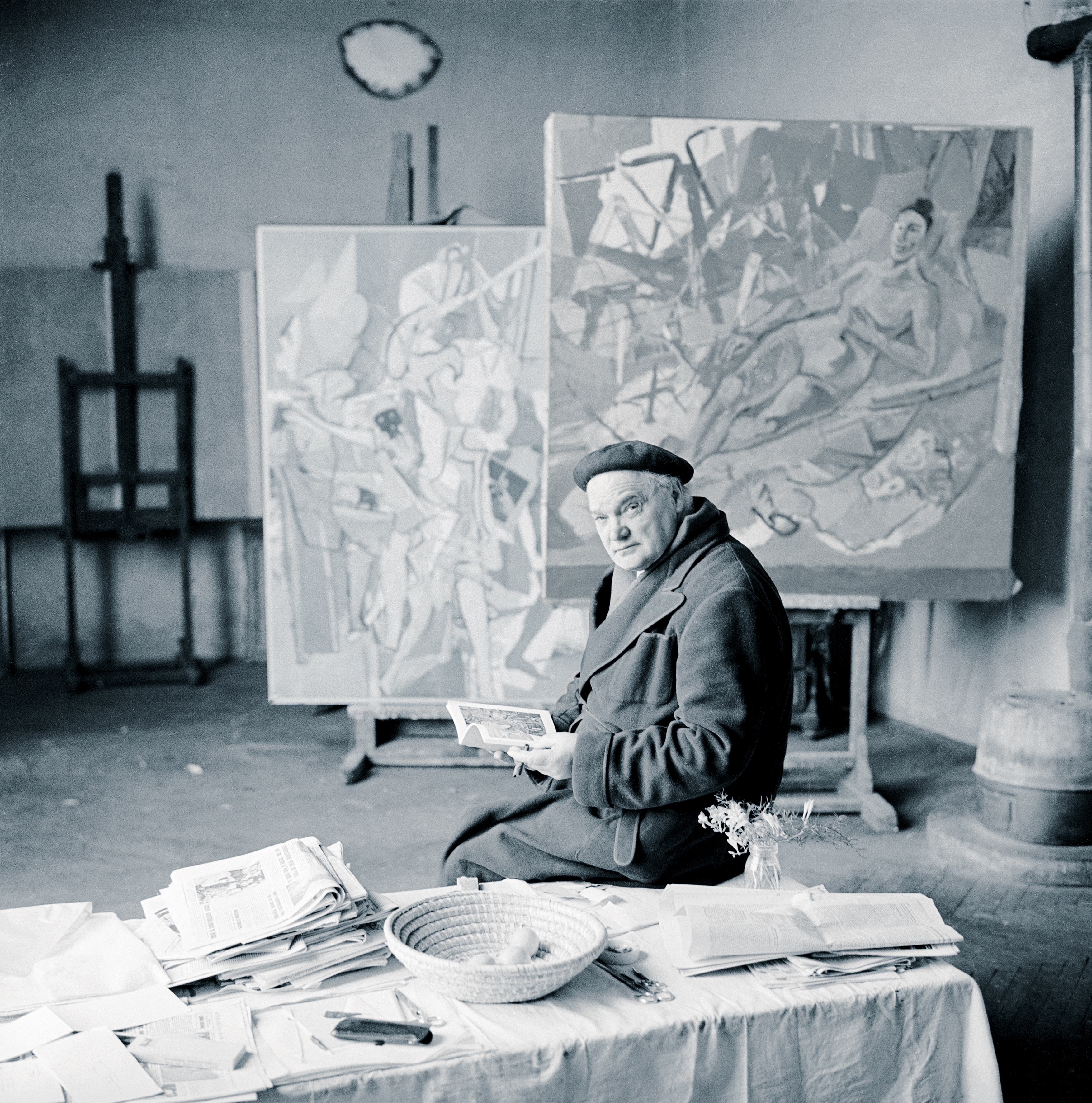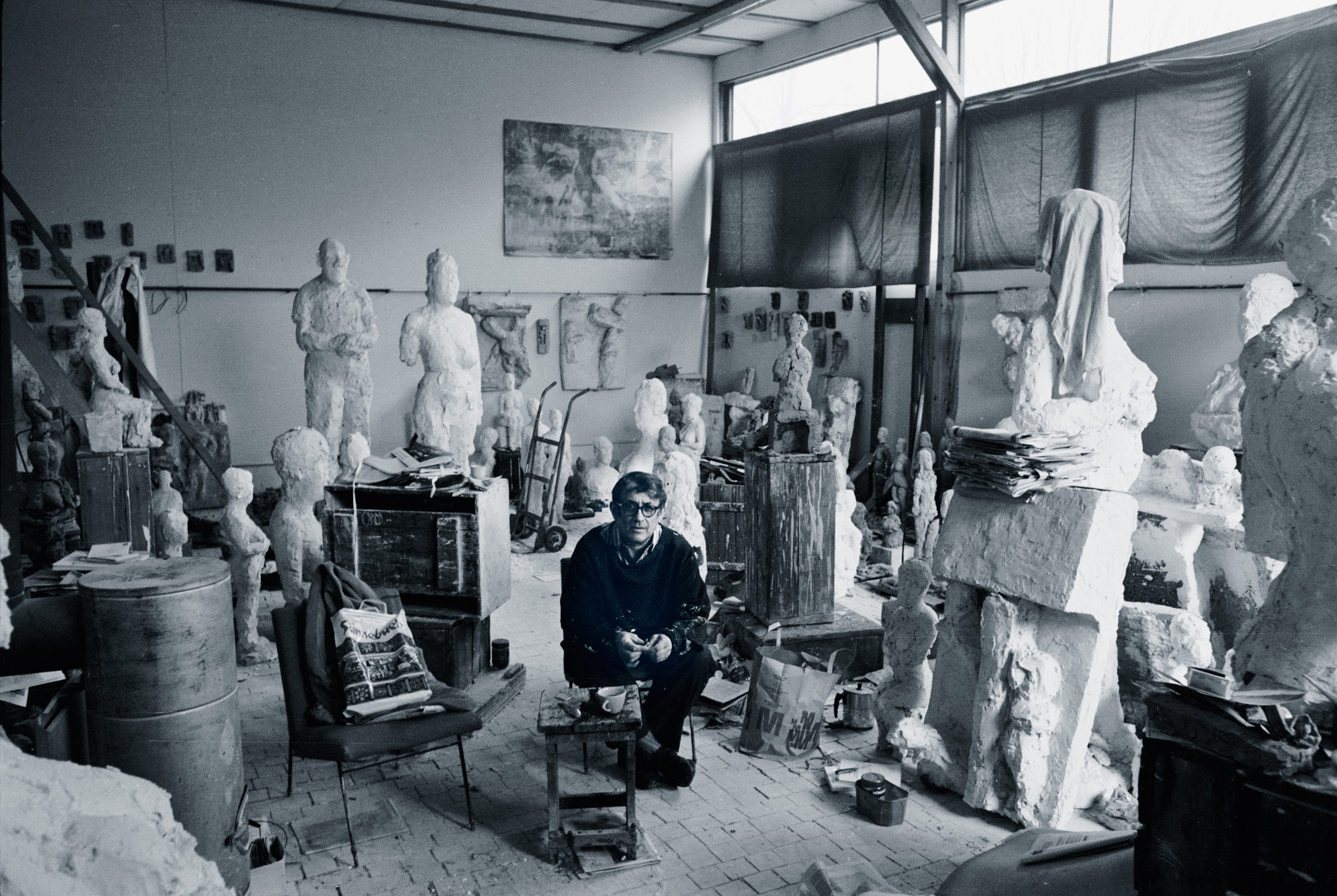
HERBERT BOECKL, Akt vor gelber Kiste, 1925 (Detail) und HANS JOSEPHSOHN, Ohne Titel, 1969 (Detail) © Privatbesitz, Foto: Leopold Museum, Wien © Herbert Boeckl Nachlass, Wien und © Josephsohn Estate und Kesselhaus Josephsohn, St. Gallen, Foto: Kesselhaus Josephsohn
24.07.2026-10.01.2027
HERBERT BOECKL/
HANS JOSEPHSOHN
Figural Archetypes
HERBERT BOECKL – HANS JOSEPHSOHN.
FIGURAL ARCHETYPES
The dialogue exhibition Herbert Boeckl – Hans Josephsohn. Figural Archetypes showcases the work of a painter and that of a sculptor side by side. Despite all the differences in their respective oeuvres with regards to historical, spatial and cultural constructs, their works reveal surprising commonalities in terms of form and content. For the first time, the Leopold Museum places the oeuvres of the Austrian painter Herbert Boeckl (1894–1966) and the Swiss sculptor Hans Josephsohn (1920–2012) in dialogue, while also presenting the first comprehensive museum exhibition of Josephsohn’s work in Austria.
Curator: Hans-Peter Wipplinger
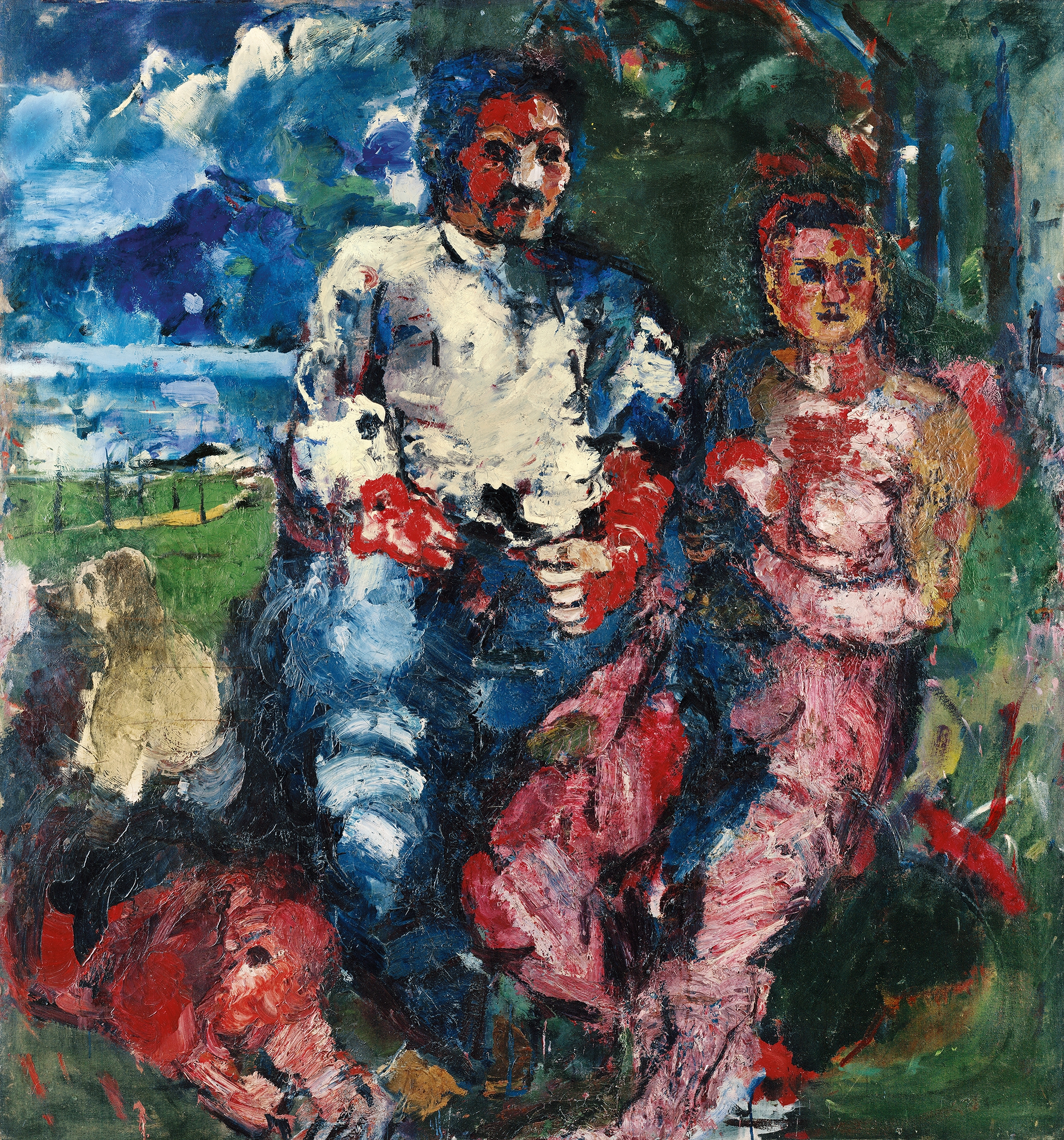
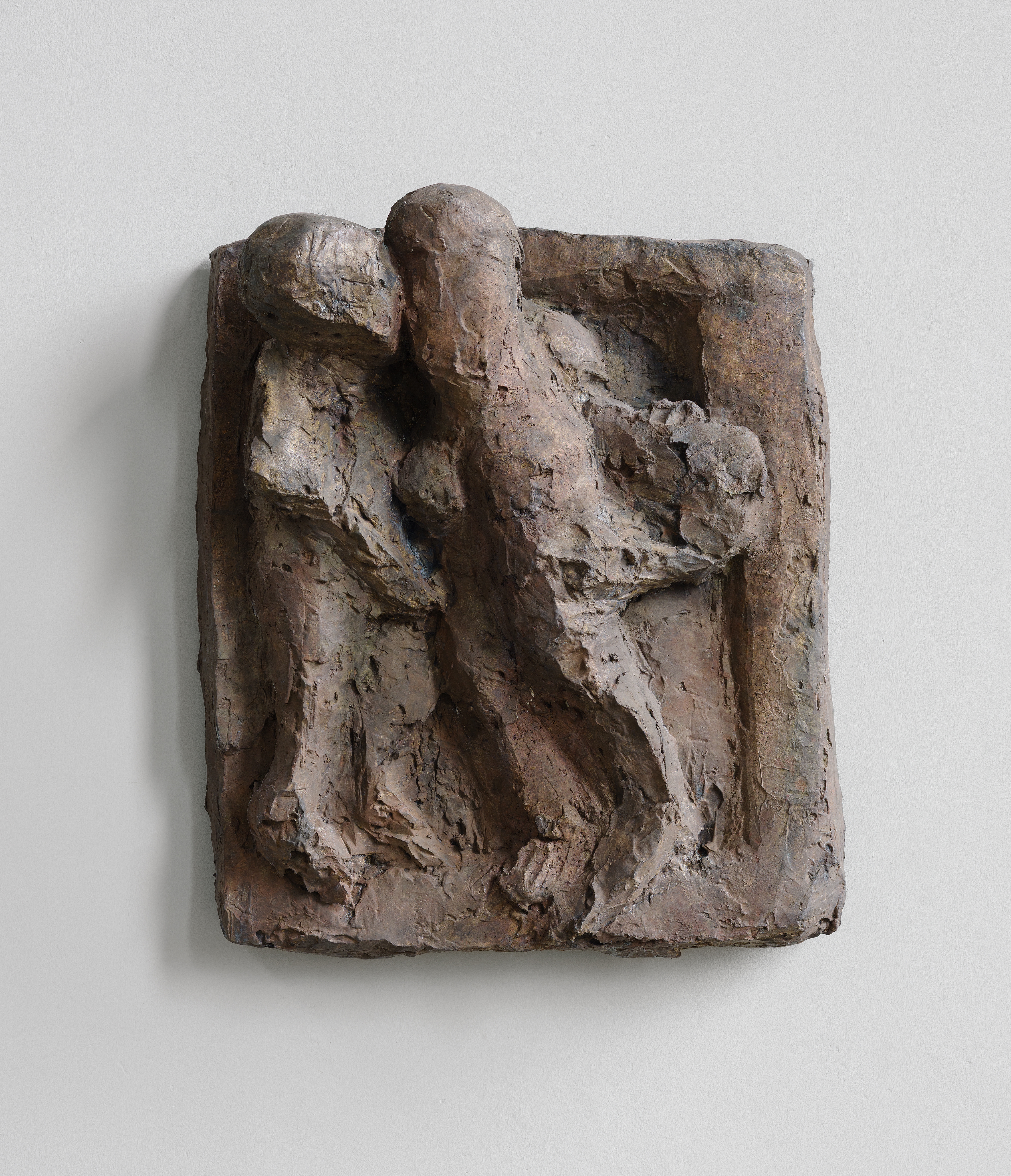
Both for Boeckl and for Josephsohn, observing their immediate living environment or a specific person provided the point of departure of their artistic work. In the work of art, they condensed memories, encounters or a fleeting moment of deep recognition into a lasting form. Throughout their lives, both artists remained faithful to representationalism and especially to the human figure as a central carrier of artistic expression. Both artists were especially drawn to their respective partners, whom they returned to time and again as their central models.
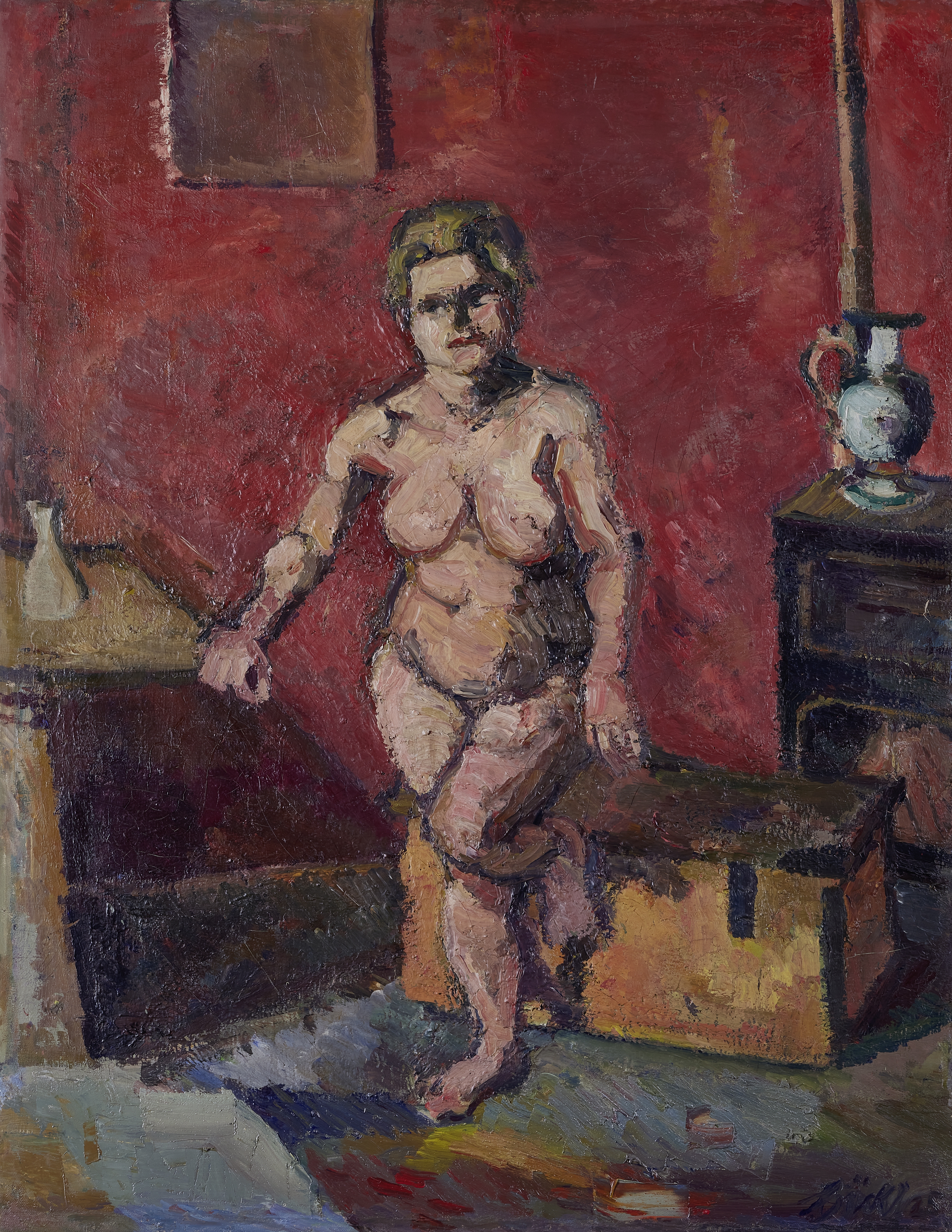
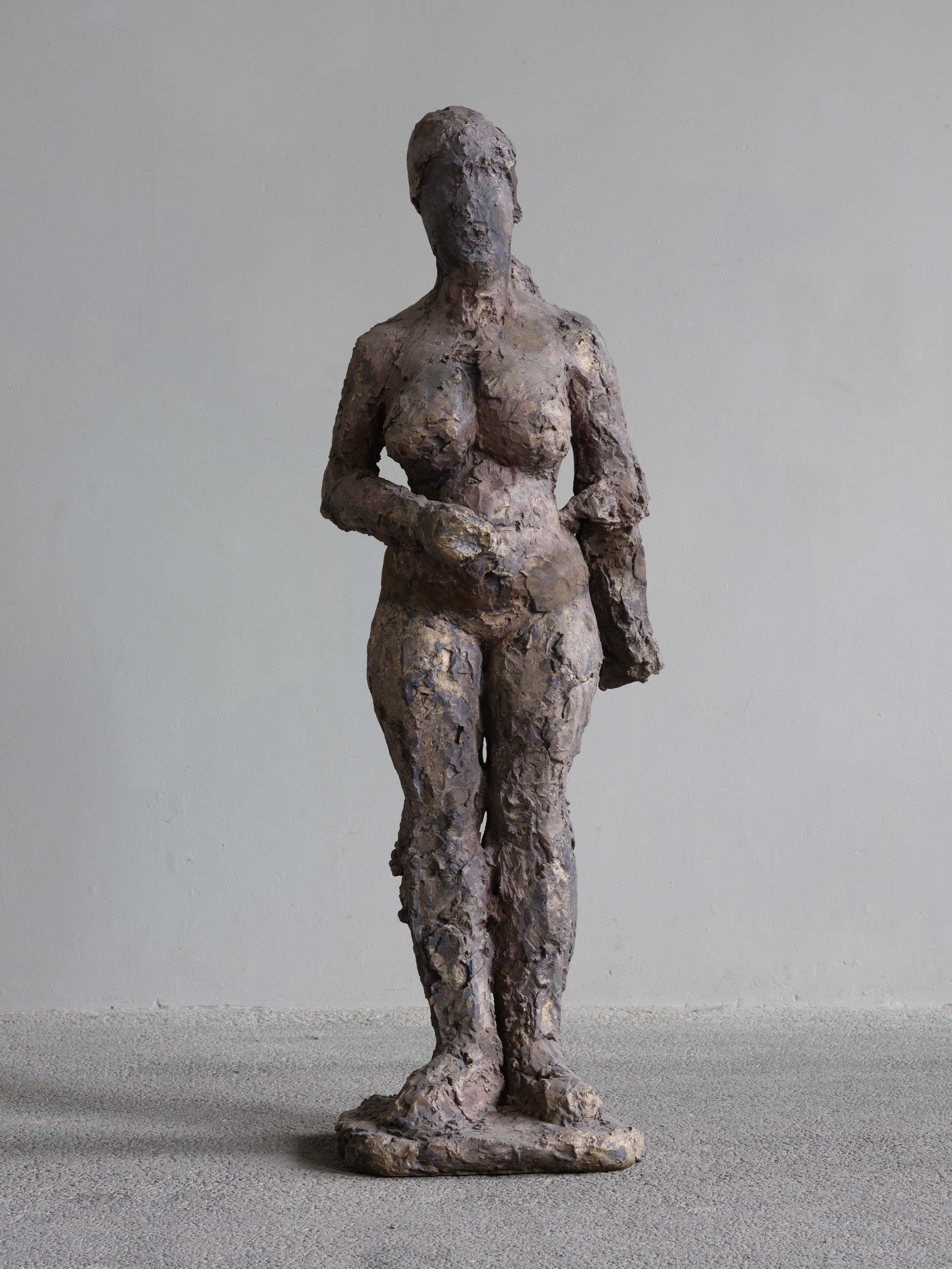
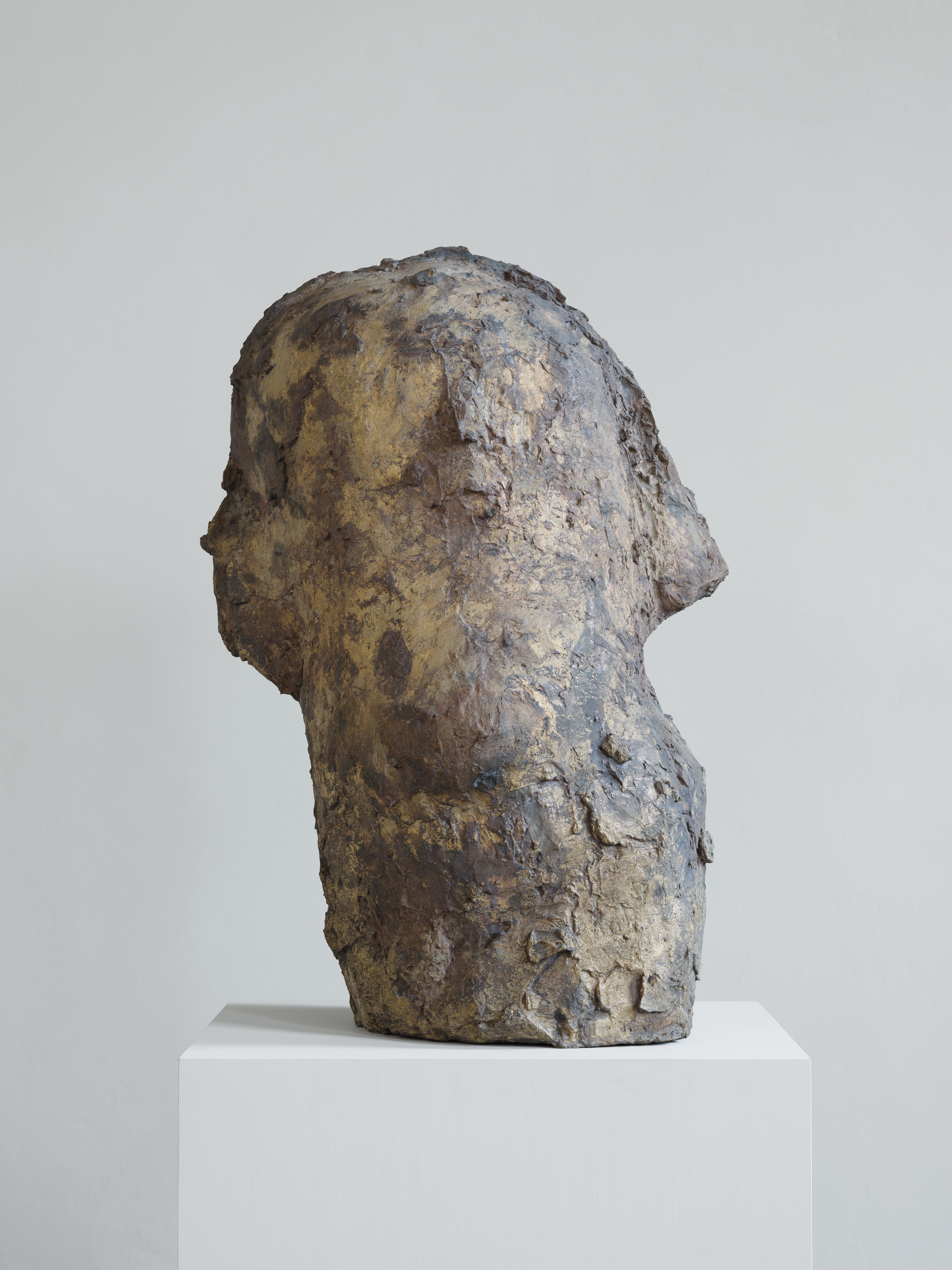
Though both of them at some point expedited a process of abstraction when depicting human bodies, one in which people – in the case of Boeckl also objects and landscapes – manifest only in a stylized manner, their radical simplification and formal concentration was invariably aimed at rendering the essential visible. Rather than focusing on anatomical details, individual characteristics and narrative elements, they concentrated on basic structures and archetypal forms. In his half-figures, Josephsohn reshapes the human body through the deliberate build-up of material. These large-format sculptures condense into block-like volumes, their oversized heads dominating the body. For his part, Boeckl systematically dissolves pictorial motifs into planes and patches of colour that condense into an autonomous pictorial order. Ultimately, both their oeuvres revolve around universal questions of human existence.
"There is such a state where you no longer create but the sculpture develops out of itself, then the artist is only the tool. […] Such moments are true highlights!"
Hans Josephsohn, 2007
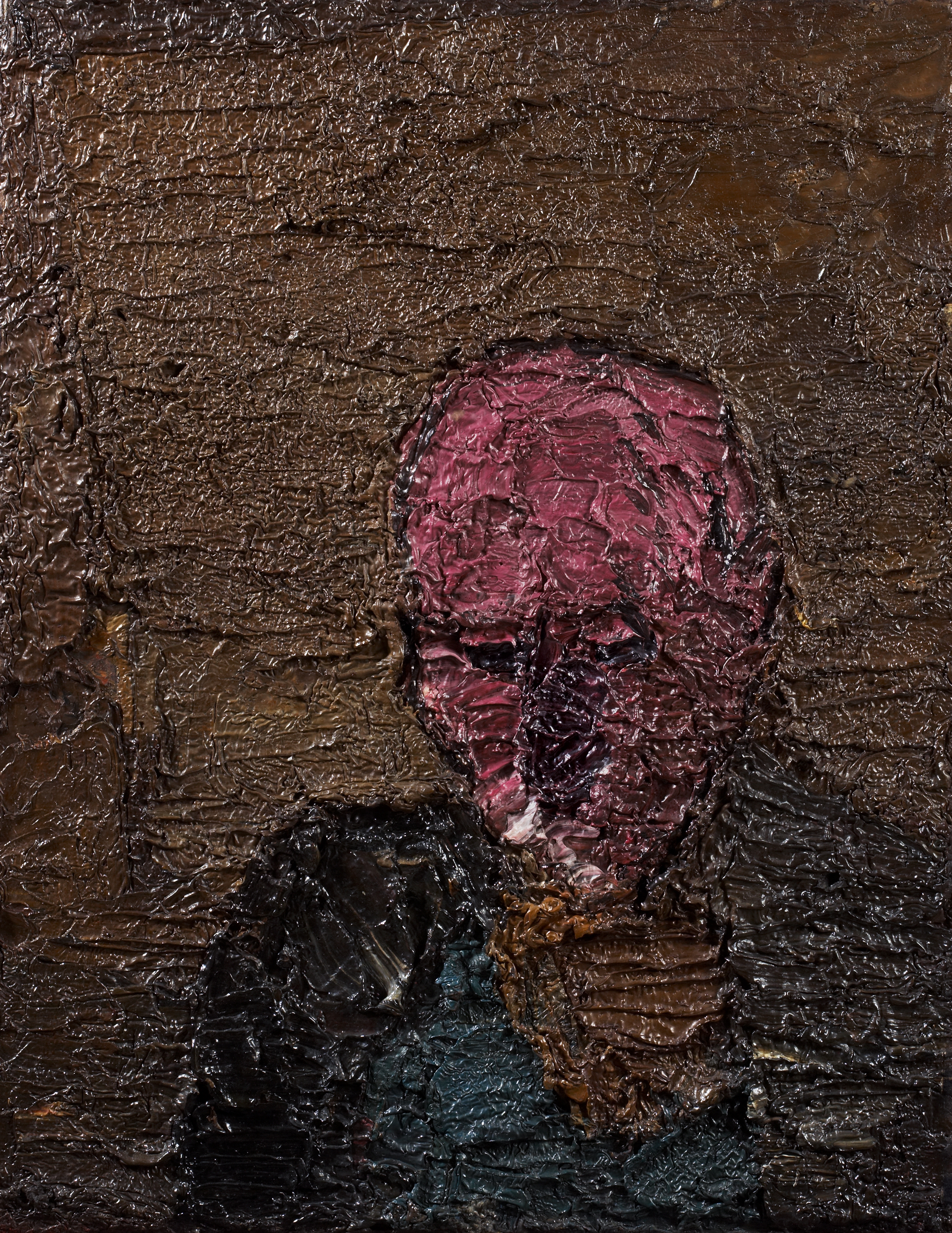
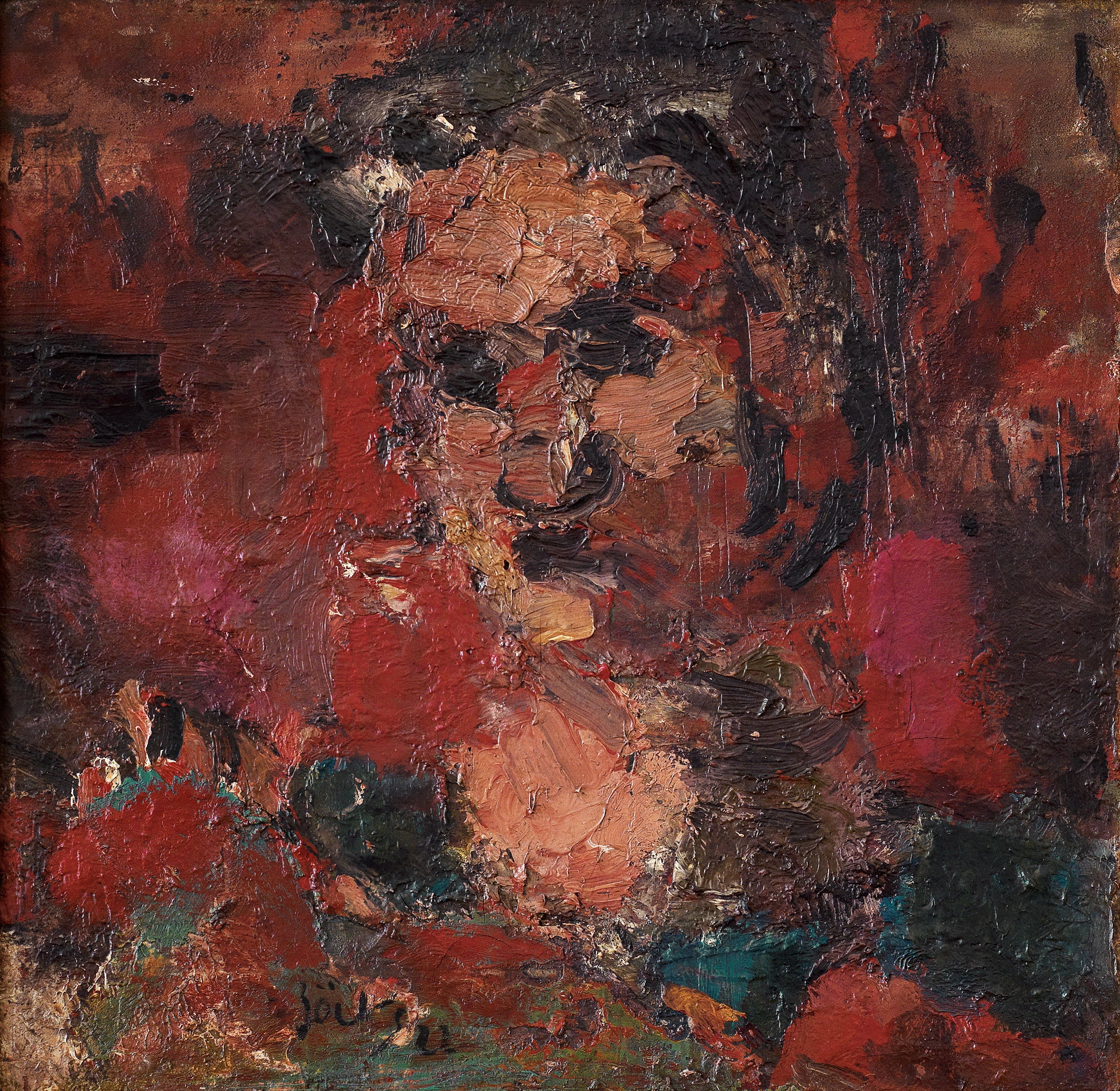 HERBERT BOECKL, Little Red Head (Woman’s Head), 1922 © Private collection, Carinthia | Photo: Herbert Boeckl Nachlass, Vienna © Herbert Boeckl Nachlass, Vienna
The portrait looks as though Herbert Boeckl had wanted to drown the depicted in the subdued tones of the paint mass. Reduced to a few defining pictorial elements, the figure emerges from the darkness of the impasto background as if it had risen and wrested its form from a viscous, primeval substance. Requiring viewers to actively use their imagination for the figure to appear, this depiction anticipates what Boeckl would later call “metamorphosis” – a practice focusing not on the rendering of outward appearance but on the transformation of the figure within the painting. His aim was to make the “real person” visible by separating the transient from the enduring, the mortal from the immortal, and the perishable from the imperishable.
Another similarity between them is the processual nature of their oeuvres: Their search and struggle for the correct two- or three-dimensional form is documented through visible traces of the act of creation. With Boeckl, these traces are stored in the sediments of the paint layers he applied using an expressive impasto technique; with Josephsohn, they illustrate the process of sculptural molding, the application and removal of plaster, and are also apparent in his casts.
“We contemplate and create at the same time. – The painter is overcome with wholly unfamiliar, previously unimagined sensations, they may ebb away or become more vivid. Sometimes, but unfortunately very rarely, the artist is liberated from these sensations, then it is possible to hit upon what has been unsuspected.”
Herbert Boeckl, 1935
HERBERT BOECKL, Still Life with Dead Crow, 1921 © Private collection, Vienna | Photo: Herbert Boeckl Nachlass, Vienna © Herbert Boeckl Nachlass, Vienna
The work can be read both as a reclining figure and as a rugged landscape. With the group of reclining figures, which Hans Josephsohn worked on from the 1960s until the 2000s, he extended his sculptural repertoire with a new and central motif. The model’s body invariably provided the point of departure: Josephsohn would create small clay studies during the sittings, which served him as the basis for the later – often larger-than-life – elaborations in plaster. During the elaboration process, the figures gradually gained volume, while their surfaces remained coarse with visible traces of the act of molding. The reclining figure appears both figurative and abstract.
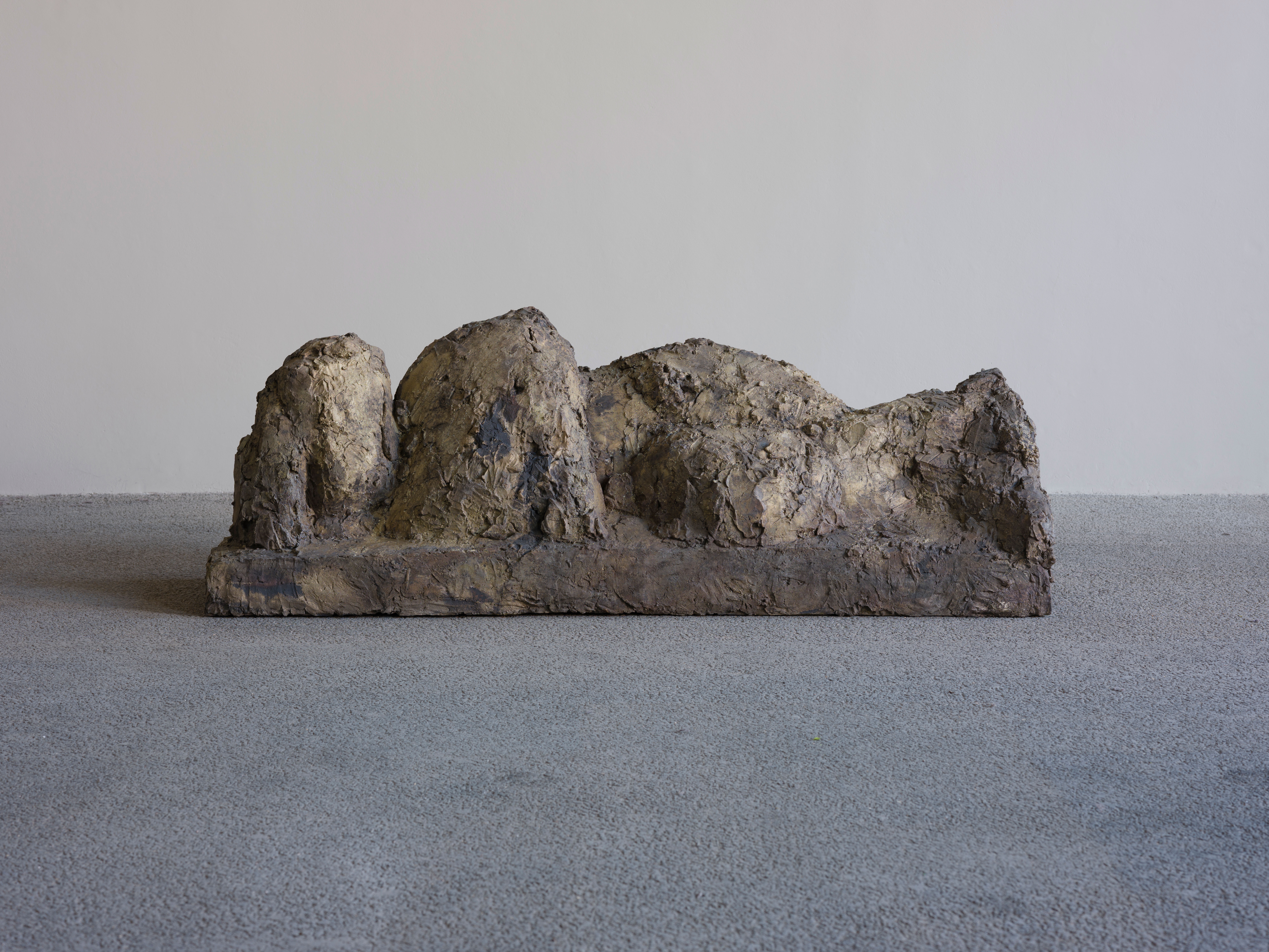 HANS JOSEPHSOHN, Untitled, 2006 © Josephsohn Estate and Kesselhaus Josephsohn, St.Gallen | Photo: Kesselhaus Josephsohn, St. Gallen © Josephsohn Estate
Featuring more than 80 works — including paintings, sculptures and works on paper — the exhibition opens up a fascinating dialogue about form, figure and human existence, and at the same time reveals new perspectives on two eminent artist personalities.