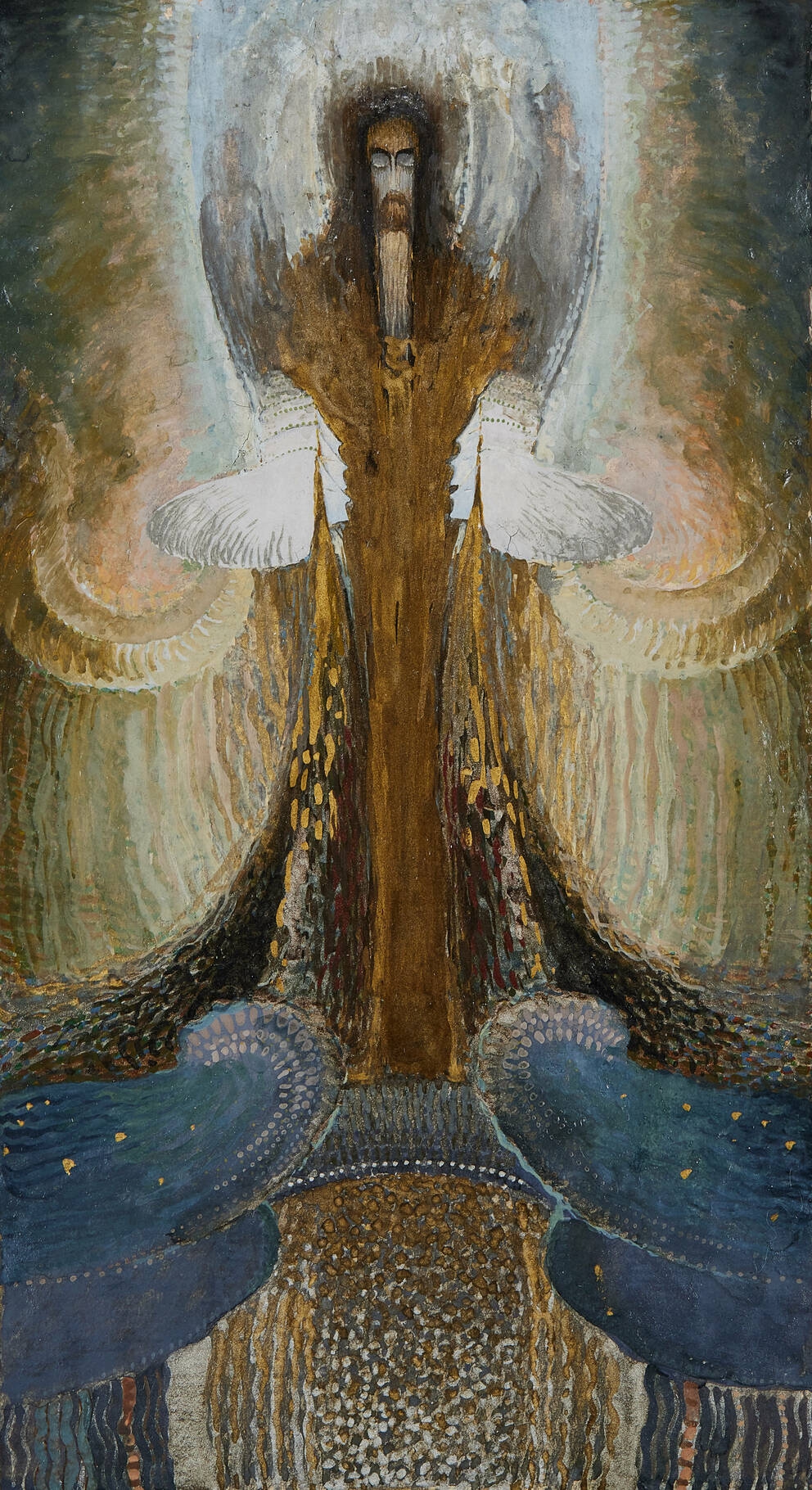
ERICH MALLINA, Angel Procession, 1904 © Collection and Archive, University of Applied Arts Vienna. Permanent loan of UniCredit Bank Austria AG | Photo: kunst-dokumentation.com/Manuel Carreon Lopez
Viennese Stories – The Leopold Museum Blog
SUPERNATURAL
Otherworldly Motifs in Art and Literature
of the Fin de Siècle
“There is a demonic connection between us, one which you will probably be no more able to explain than I; but at least you should know that it exists.”
Arthur Schnitzler, The Prophecy (Die Weissagung)
Are you familiar with the TV series Freud, which became a viral hit a few years ago? If so, you’ll surely remember scenes in which mesmerised viewers were drawn into hypnotic trances, séances, and even satanic rituals. While dramatically exaggerated for the screen, these themes are rooted in historical fact: there was a genuine fascination with the supernatural in Vienna at the turn of the 20th century.
In the decades prior, industrialisation had swept through Europe's major cities, unleashing a wave of modernization. Science was also advancing rapidly: in the salons of Vienna, the theory of relativity was being debated, doctors like Julius Wagner-Jauregg were seeking effective treatments, and chemist Carl Auer von Welsbach was discovering new elements. Yet it may have been precisely this growing rationalisation of all areas of life that sparked a widespread yearning for the irrational and inexplicable. Many longed to escape into an otherworld – a reality far removed from the cold certainties of modern life. It was in this spirit that Erich Mallina, in 1903, painted an abstract angelic figure composed of vibrant colour planes. The work remains enigmatic: is it a divine protector watching over the human figures depicted at the bottom of the painting? For many at the time, such a comforting presence felt more necessary than ever.
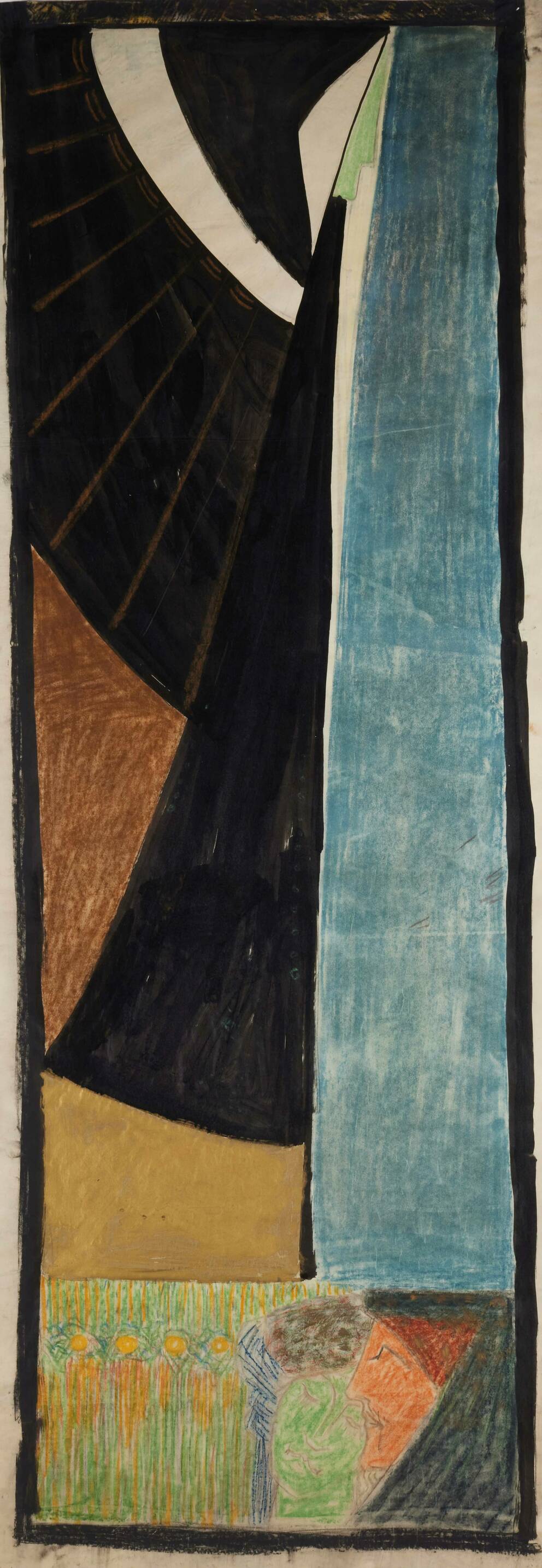
As we can see, occultism did not leave the cultural sphere untouched. Whether in literature or the visual arts, a supernatural aura had to permeate the work. Arthur Schnitzler, for instance, wrote Twilight Souls (Dämmerseelen), a collection of short stories that are both entertaining and unsettling – with uncanny twists that leave readers in a state of puzzled reflection. Meanwhile, the mystic Rudolf Steiner explored the possibility of transcending the self through spiritual insight in his widely attended lectures, aiming for a union with the divine.
ADOLF HIRÉMY-HIRSCHL, The Souls on the Acheron, 1898 © Belvedere, Vienna | Photo: Belvedere, Wien/Johannes Stoll
In the realm of painting, themes from classical mythology—long part of the iconographic canon—remained highly popular. Many ancient myths lent themselves particularly well to explorations of the metaphysical. In his monumental work Souls on the Acheron, Adolf Hirémy-Hirschl portrays the god Mercury guiding the departed toward the gates of the underworld. It is a visual representation of the transition into a “spirit world”—an idea central to occult belief systems. Ancient deities also served as ideal projections of human existence: each figure embodied specific traits, flaws, and responsibilities, mirroring the structured roles of social life. More significantly, these mythological narratives offered subliminal explanations for the great, unanswered questions of life.
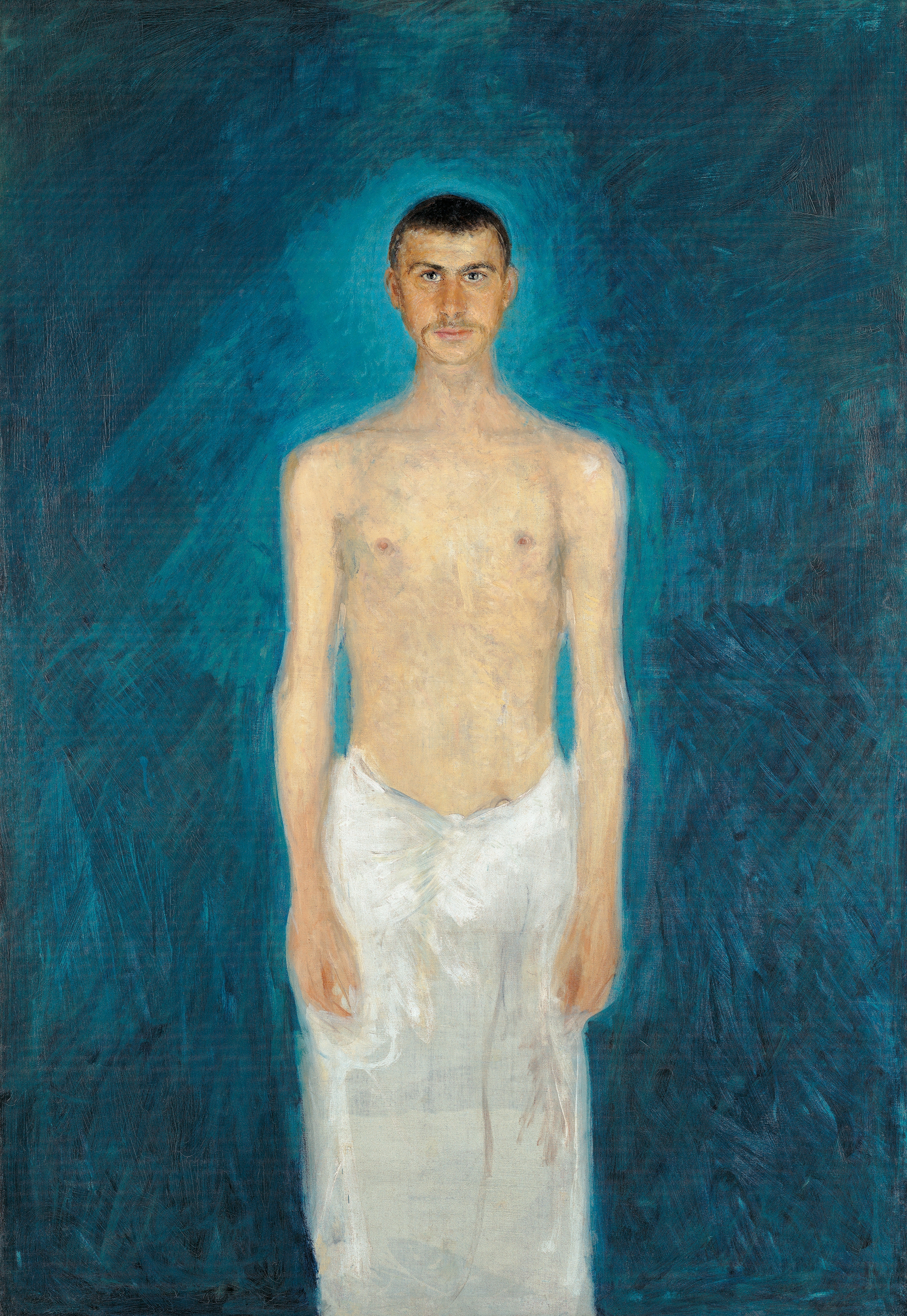
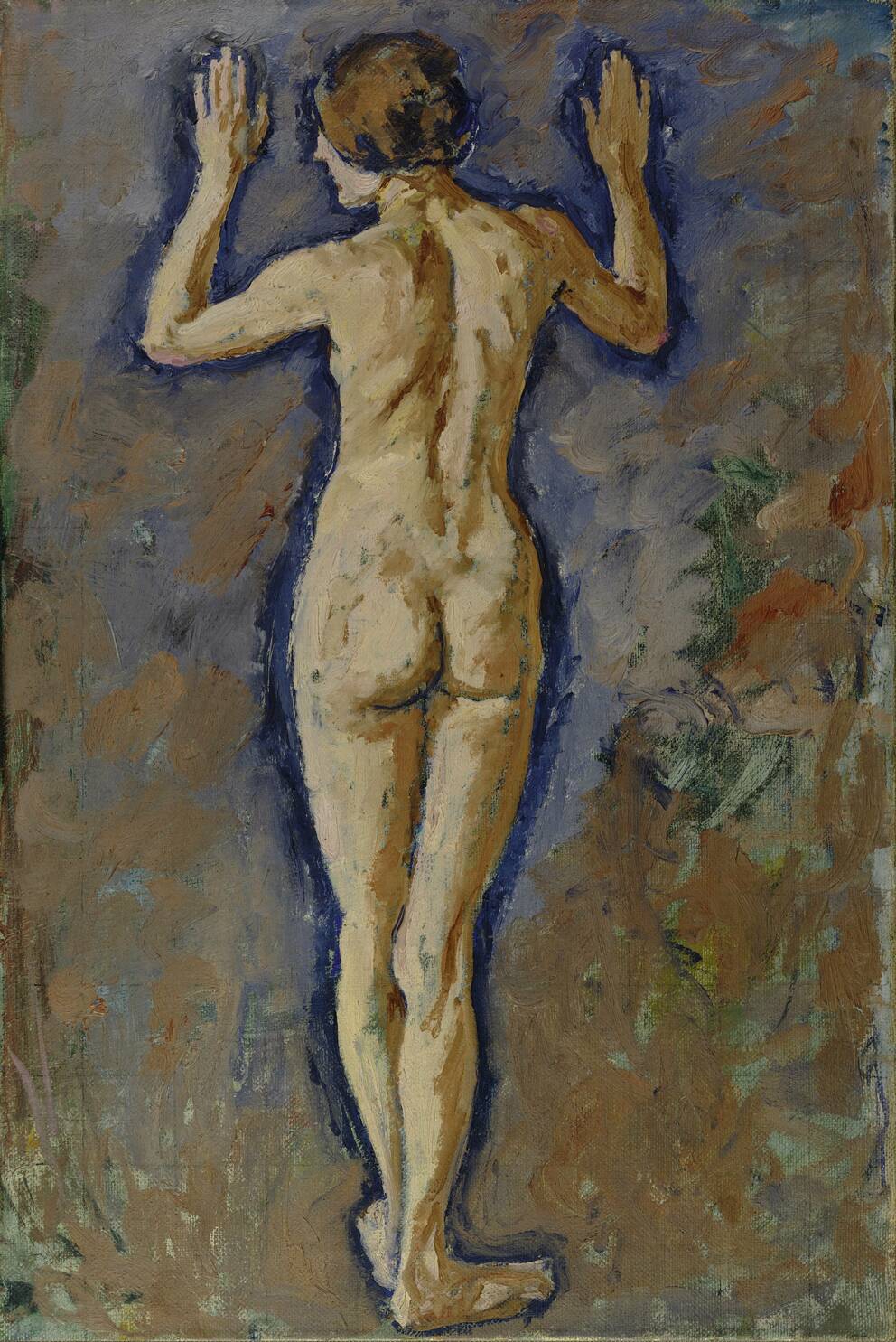
A spiritualised perception of the body became integral to certain reformist lifestyles. Inspired by Sigmund Freud’s then-novel method of dream interpretation, artists began envisioning new forms of expression and utopias. Some of these visions celebrated dance as a state of near-trance. In his design for a metal relief, Koloman Moser combined the flowing, dynamic vocabulary of dance with the typical ornamentation of the Vienna Secession.
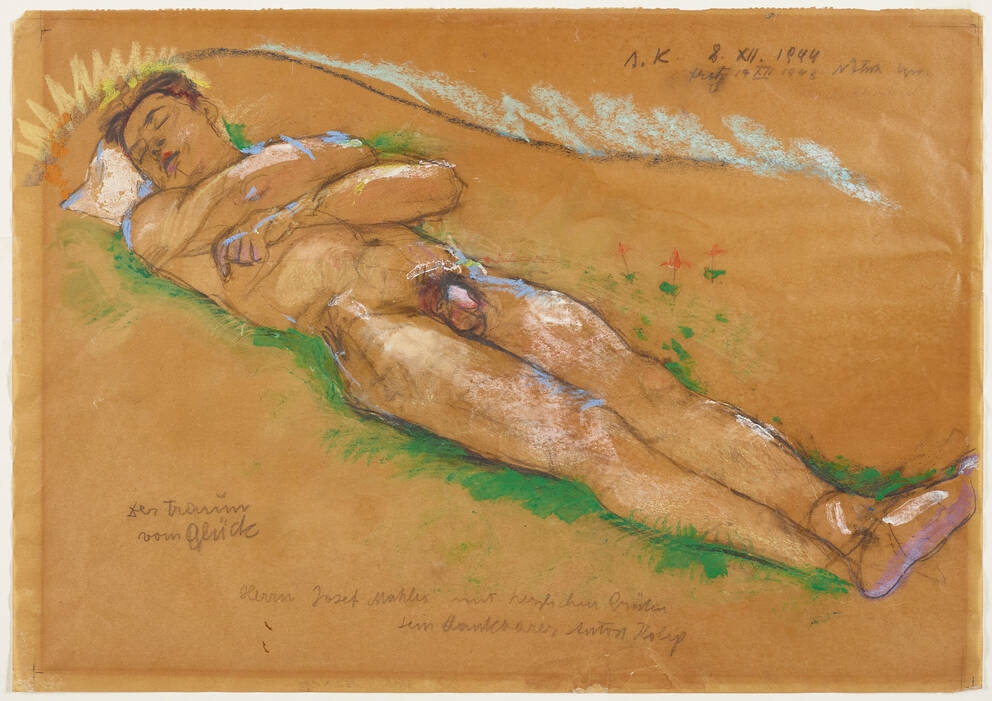
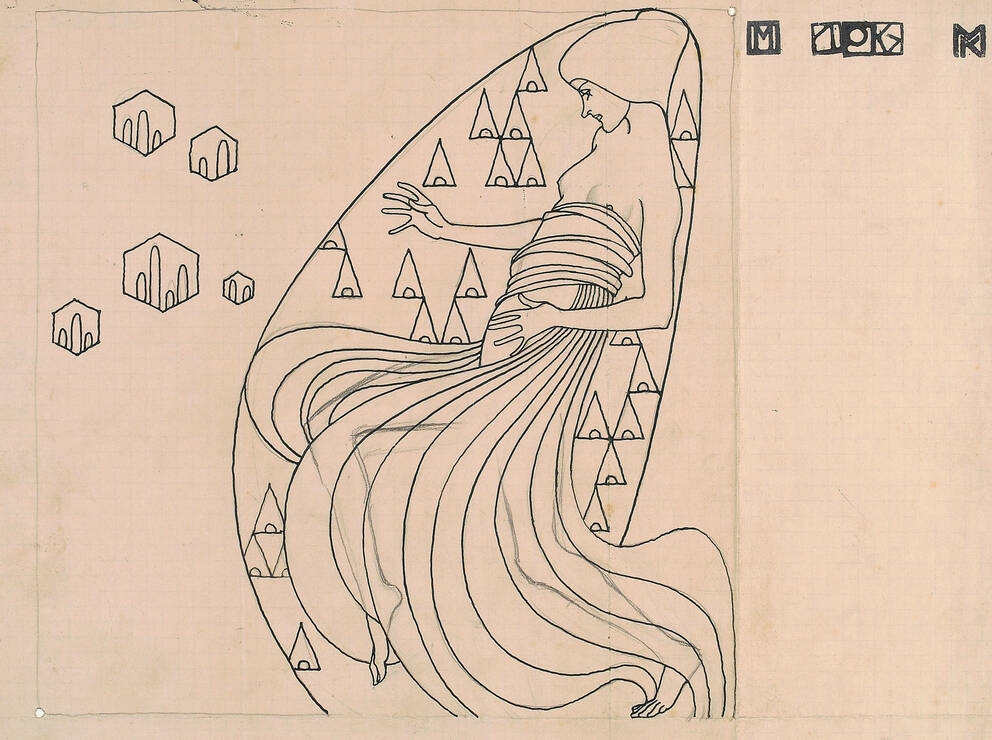
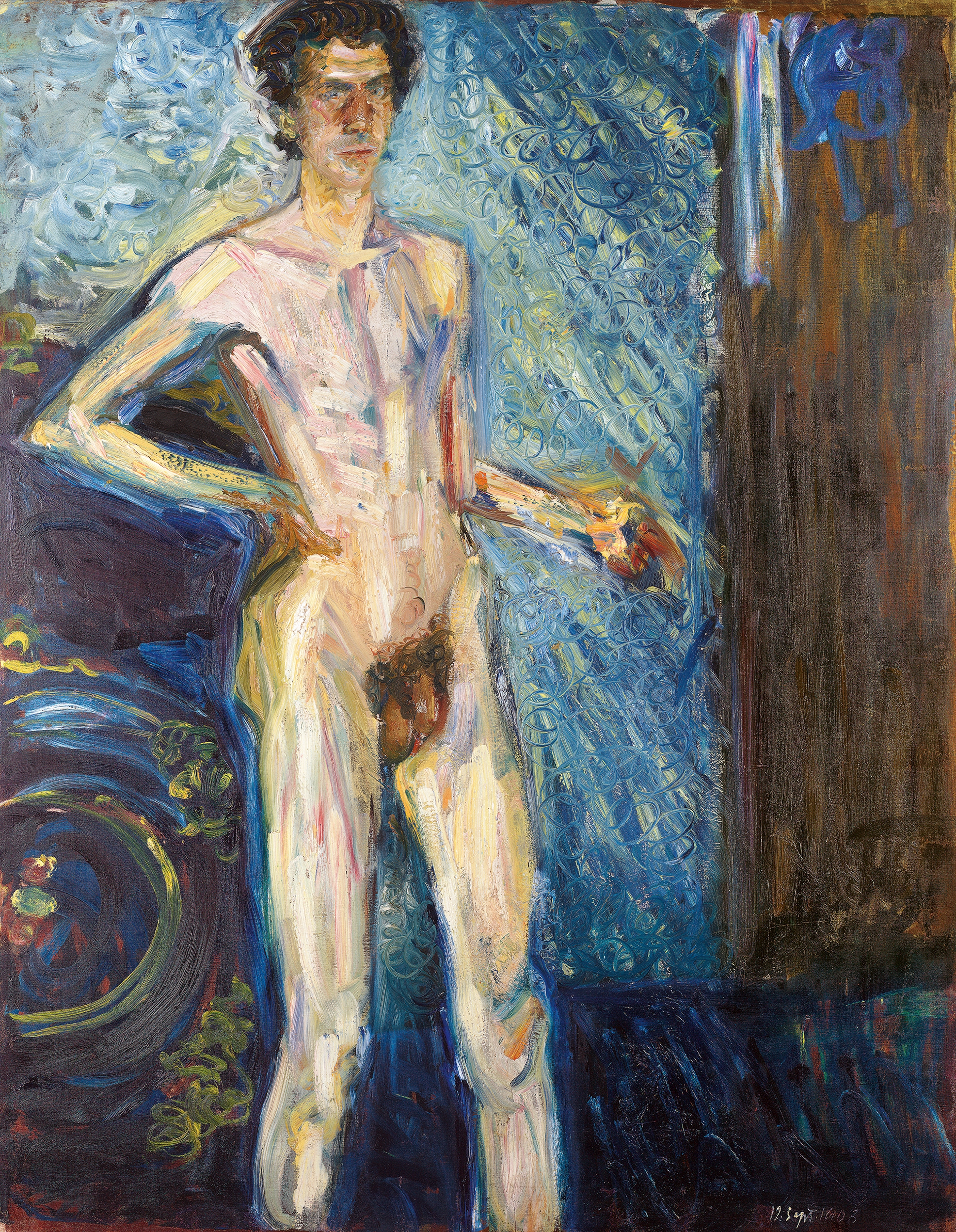
The notion of the aura was also central to esoteric discourse. What today might ring familiar as a Gen Z buzzword (remember the “word of the year 2024”?) was once understood as a manifestation of the soul. Artists like Richard Gerstl and Koloman Moser encircled their figures with discreet halos of colour, transforming a seemingly straightforward portrait into a symbolic composition. Inner life is externalised – not through facial expression, but through a carefully chosen palette of colour symbolism.
Thus, the art of the Fin de Siècle reveals a broad spectrum of occult motifs. Some of these had been known for centuries, while others were newly emerging – and many are now experiencing a cultural resurgence. As Schnitzler once wrote: “I could show you some moment from your future life – like a painting.” And yet, of course, no one can truly foresee what is to come – not even in art.
Article by Sophie Touzé