
GUSTAV KLIMT, „Portrait of Friederike Maria Beer“, (Page 24) - Gustav Klimt. Eine Nachlese [A Retrospective], 1931 © ARGE Sammlung Gustav Klimt | Photo: Leopold Museum, Vienna
Leopold Museum Blog
LOOKING AFAR
KLIMT'S PASSION FOR COLLECTING
Gustav Klimt (1862–1918) owned a distinguished collection of ethnographic objects and an extensive library devoted to the art of various regions of the world. Most of the surviving objects consist of Japanese and Chinese works, as well as a smaller number of African carvings. The centrepiece of the collection was likely a group of precious East Asian textiles that were used by models during portrait sittings. These, however, were lost in the fire that destroyed Emilie Flöge’s (1874–1952) apartment in 1945.
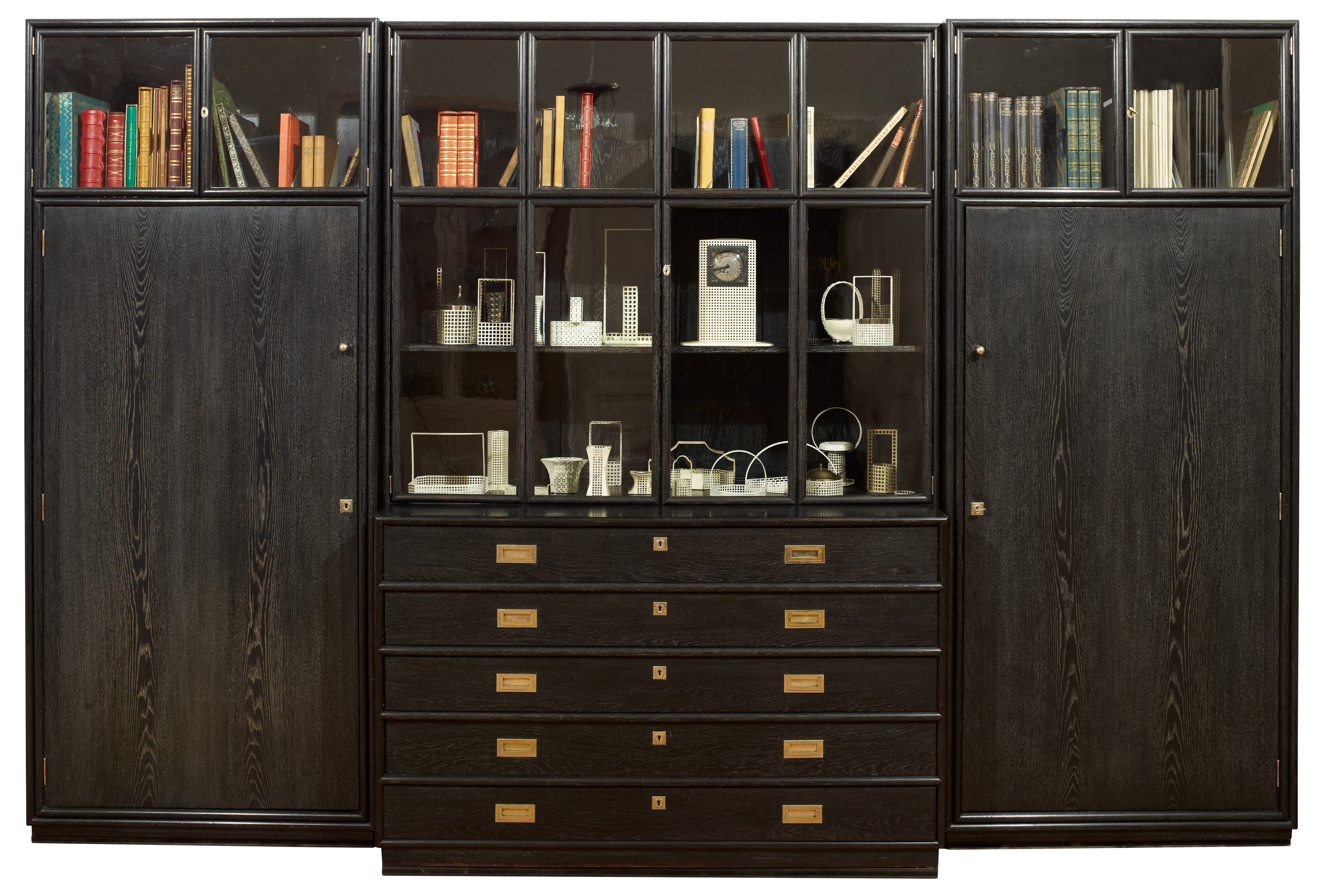
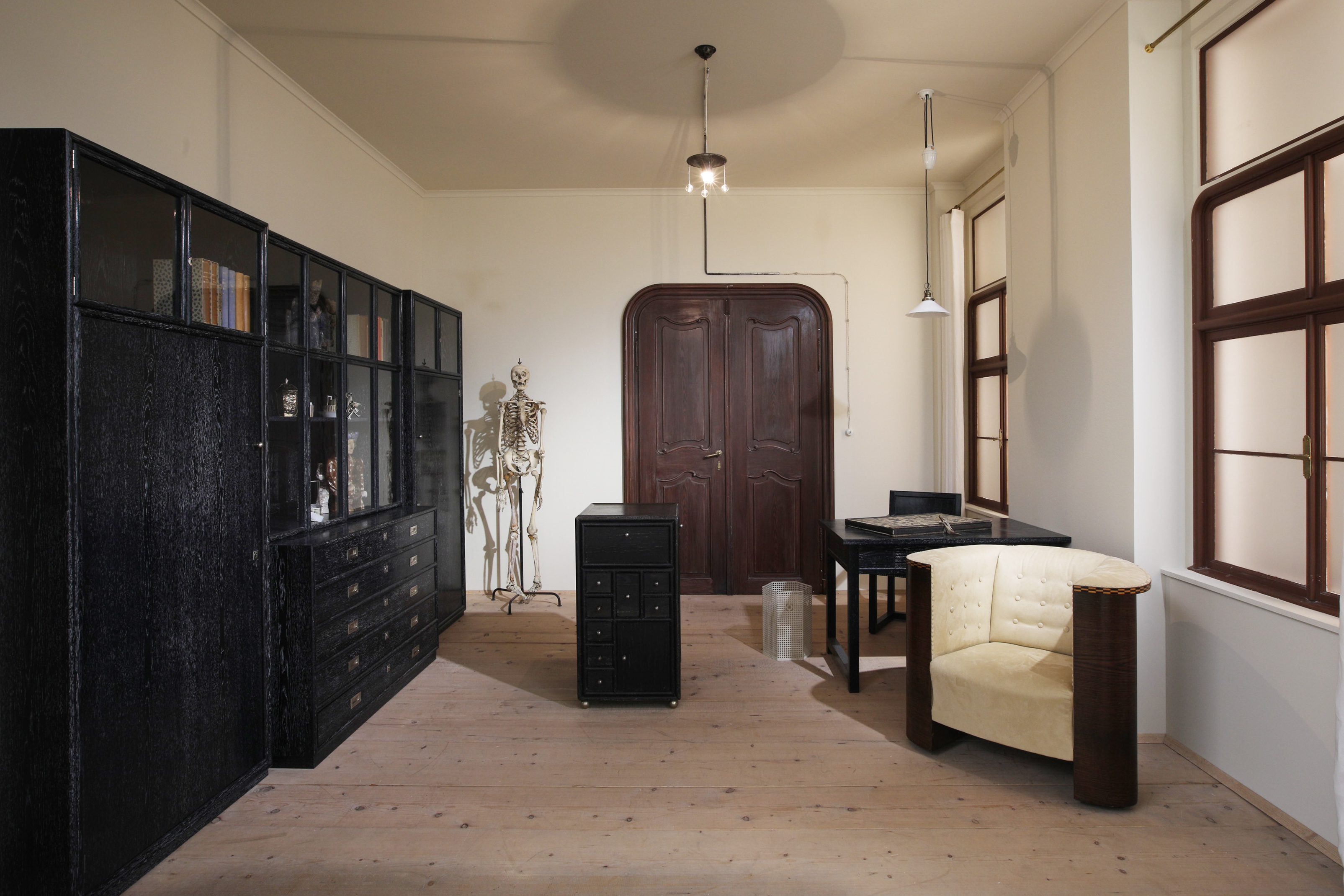
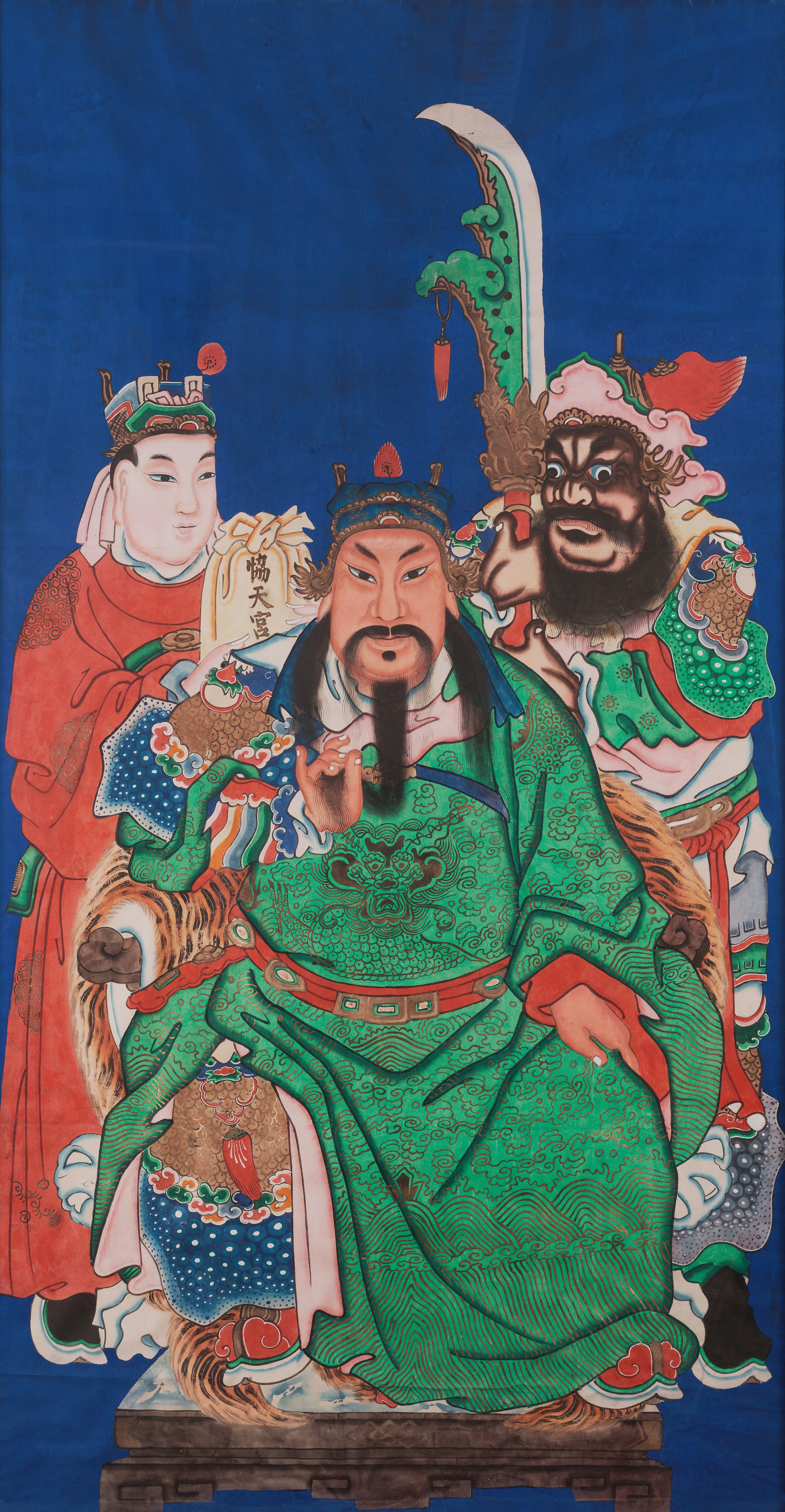
Photographs taken by the photographer Moriz Nähr (1859–1945) depict a reception room in Klimt’s Josefstadt studio featuring a cabinet designed by Josef Hoffmann (1870–1956), which housed East Asian objets d’art, books, and a Romanesque Madonna. In the foyer of the artist’s later studio on Feldmühlgasse in Hietzing, the same display cabinet stood alongside a Chinese painting depicting the god Guan Di and twelve Japanese colour woodblock prints (Ukiyo-e). Egon Schiele (1890–1918) also reported the presence of African sculptures placed on the floor, as well as “a Japanese red-and-black suit of armor.” In both the Josefstadt and Hietzing studio, furnishings and decorative arts produced by the Wiener Werkstätte complemented the interiors.
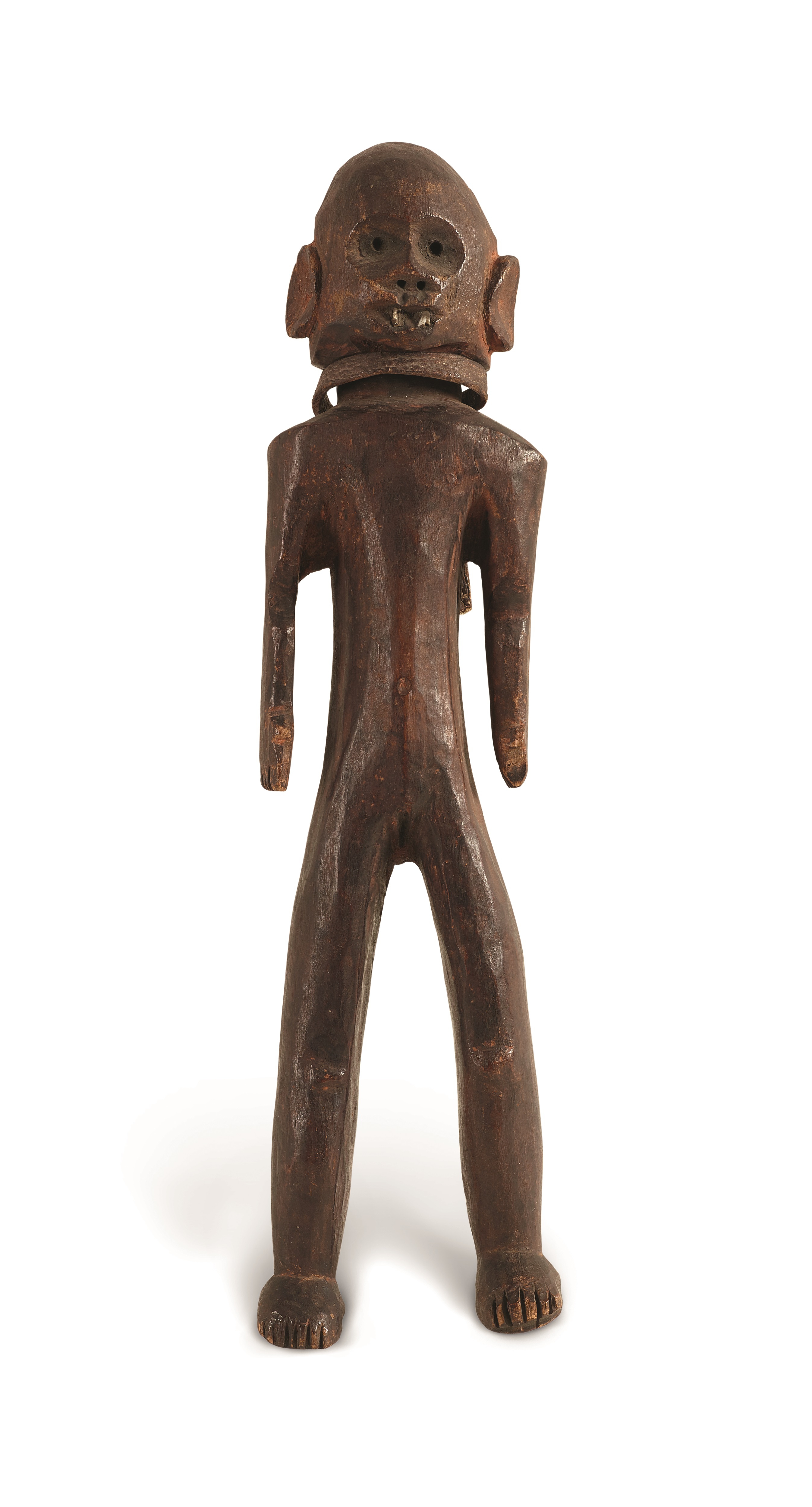
One possible catalyst for the formation of Klimt’s collection was the 6th exhibition of the Vienna Secession in 1900, which featured Japanese works from the Edo period (1603–1868). Within the broader context of contemporary Japonism, such Asian objects were highly sought-after by collectors and artists alike. Klimt was not only surrounded by his own collection; he also had opportunities to study objects from other private collections and museum holdings, including those of the Imperial-Royal Austrian Museum of Art and Industry (today the MAK). Following the Vienna World’s Fair of 1873, several specialist shops dealing in East Asian art opened in the city, while art dealers increasingly focused on Asian artefacts. Klimt may also have acquired objects during visits to Paris, Brussels, or London, or received them from friends returning from abroad. African works, by contrast, most likely entered his collection through personal contacts or in connection with Austrian research expeditions. Klimt’s sustained engagement with both his own collection and other ethnographic objects left a profound mark on his artistic practice. From around 1912 onwards, East Asian motifs appear with increasing frequency in his portraits of women.
“There is a strong relationship between Klimt’s paintings and Japanese art. In his works, I find many elements characteristic of Japanese art in terms of composition, colour combinations and patterning.”
Kijiro Ohta
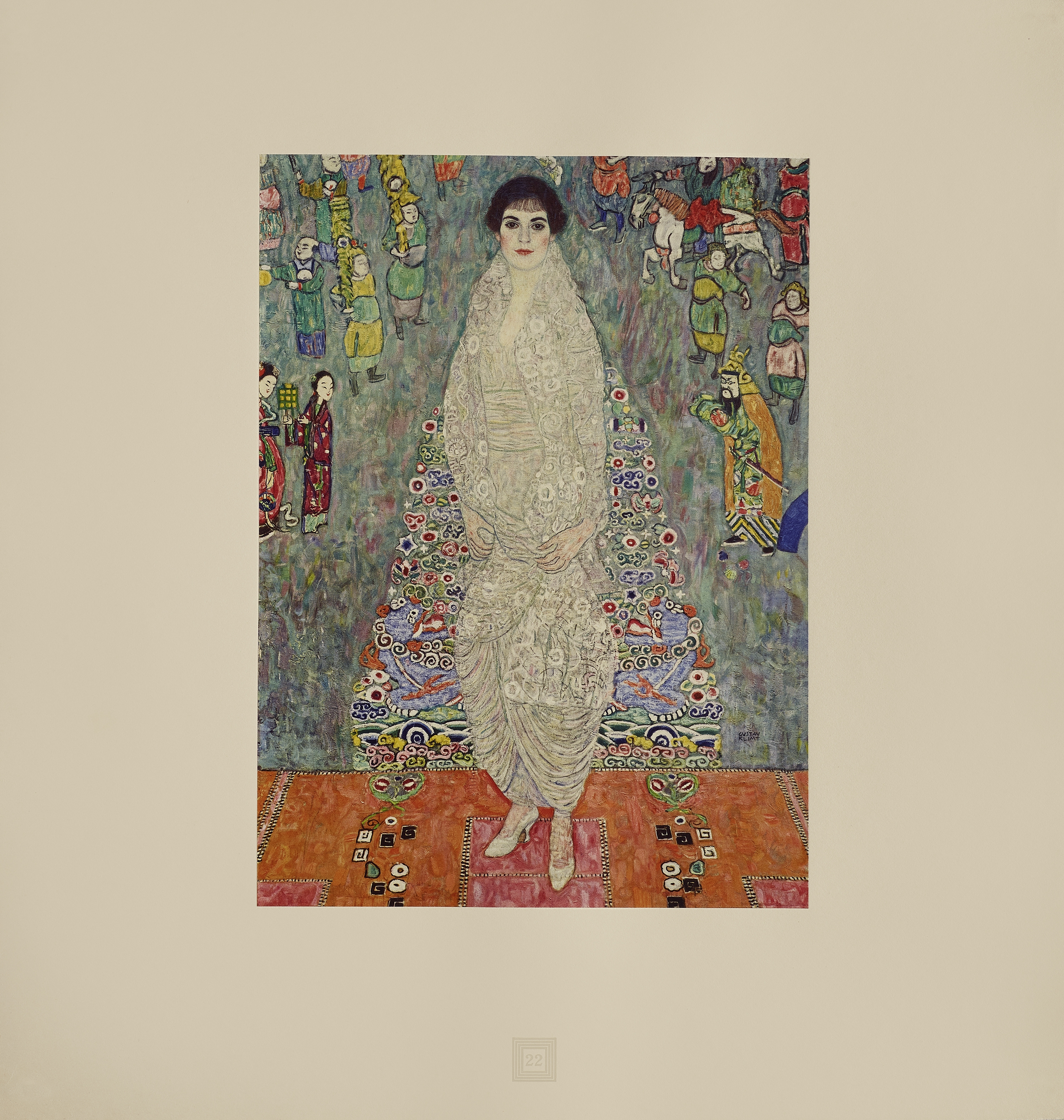
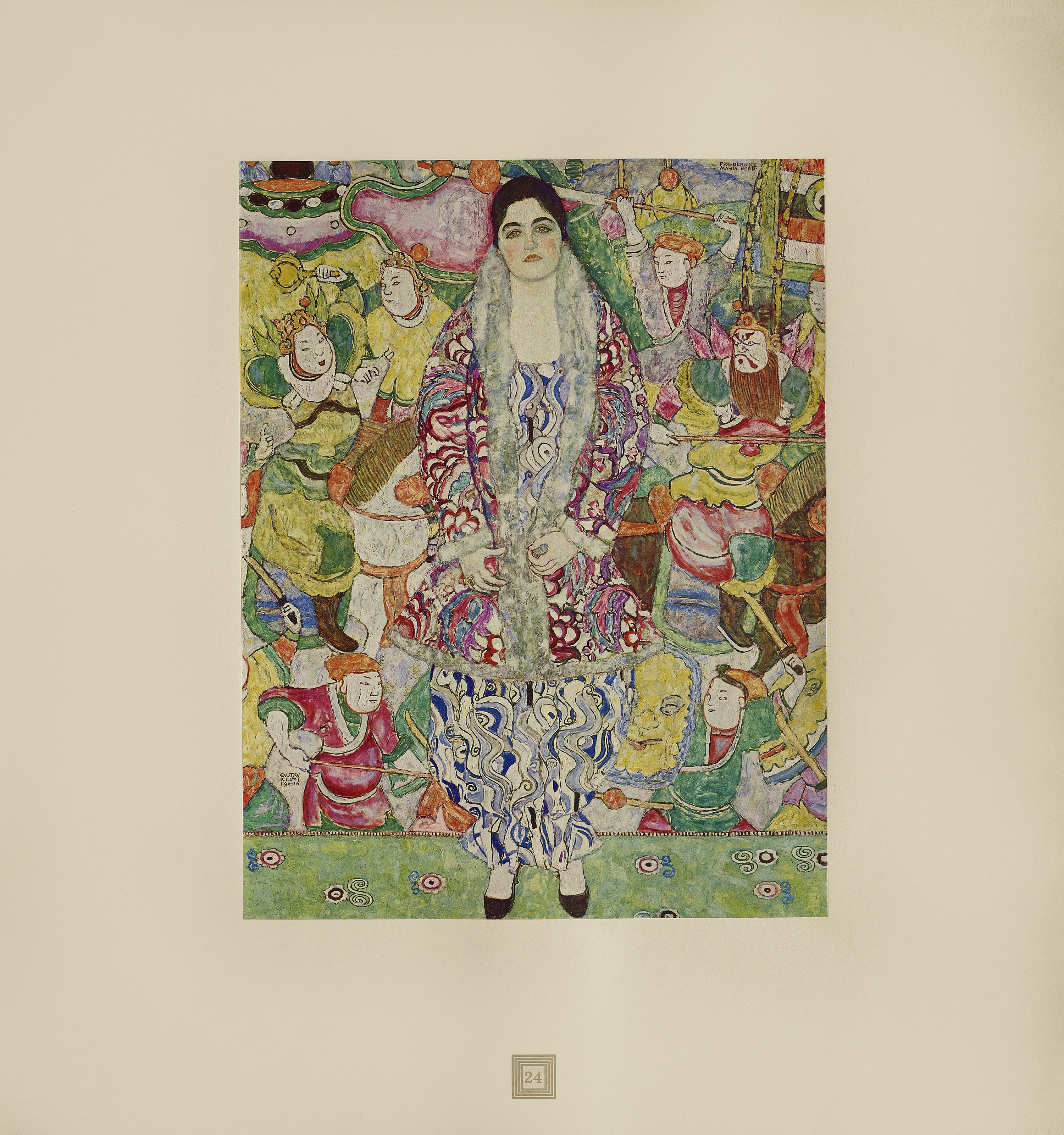
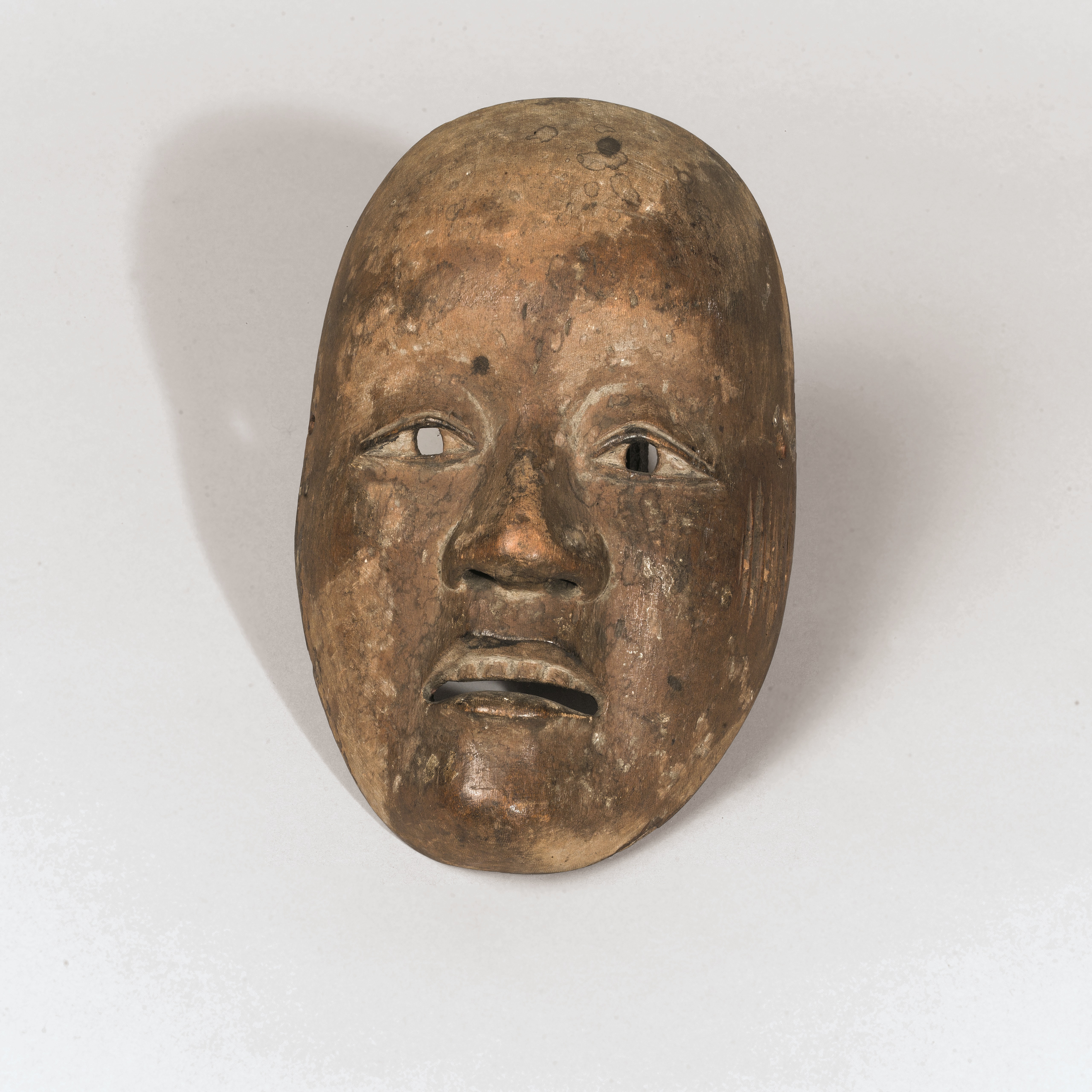
This is how the Japanese painter Kijiro Ohta (1883–1951) described his impressions after visiting Klimt’s studio in Feldmühlgasse in 1913. Japanese influences manifest themselves in both formal and decorative aspects of Klimt’s work: in the clear, vibrant colour schemes of ukiyo-e prints, in the use of square or extremely elongated vertical formats, and in his engagement with textile patterns and katagami dyeing stencils. Frequently, the overall composition reflects Japanese models, while Chinese motifs appear in the background, such as the warrior figures in Portrait of Friederike Maria Beer. Particularly revealing is the comparison with an eighteenth-century Nô mask once owned by Klimt, whose oval facial form he echoed in several paintings. The Portrait of Serena Lederer (née Bachofen-Echt) depicts the sitter wearing a Chinese dragon robe – the same garment in which Emilie Flöge was photographed at Lake Attersee – while actors from Beijing Opera appear in the background. Klimt was intimately familiar with this visual world, not least because he owned a miniature theatre featuring comparable motifs. Klimt also held a deep admiration for the aesthetics of African art. A postcard written in 1914 documents his enthusiasm following a visit to the Musée du Congo Belge (today the Royal Museum for Central Africa) in Tervuren near Brussels. Describing the sculptures as “magnificent” and “splendid,” he confessed that he had been completely overwhelmed by them. Although Klimt’s collection survives only in fragmentary form today, more than fifty of its treasures are preserved as permanent loans at the Leopold Museum.